 Unitary theocratic emirate
Afghanistan is governed by the Taliban as an Islamic emirate led by a supreme leader, under a unitary system with centrally appointed provincial governors.
Register of 195 countries
12 Axes Countries closest to you
Which country is most compatible with your politics? 195 countries and their political systems, each placed on all 12 axes. The test matches you to the closest one: 100 minus the root-mean-square distance across the twelve axes.
See which of these countries is closest to you. Take the test
These positions describe each state's current government and policy, our own estimate from public sources. They are approximate and they say nothing about the people of any country.
Explore the register
Compare Germany’s federal parliamentary system, France’s semi-presidential system and China’s one-party system. These are profiles of governments; take the test to find which is closest to your own answers.
 GermanyFederal parliamentary republicFederal 68%
 SwedenUnitary parliamentary constitutional monarchyIrreligious 68%
 United KingdomUnitary parliamentary constitutional monarchyProgressive 68%
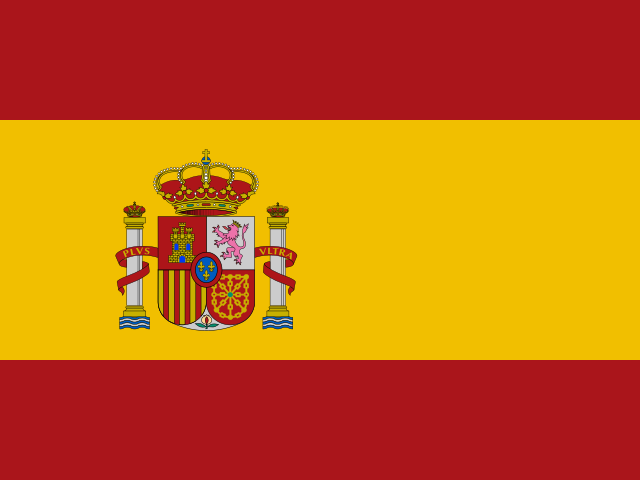 SpainDecentralised parliamentary constitutional monarchyFederal 68%
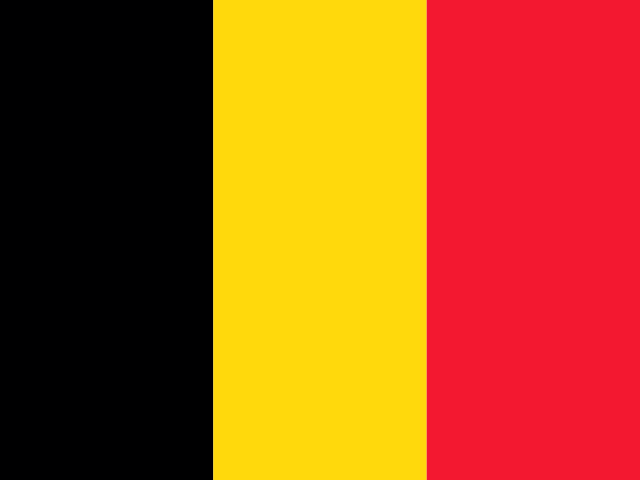 BelgiumFederal parliamentary constitutional monarchyFederal 83%
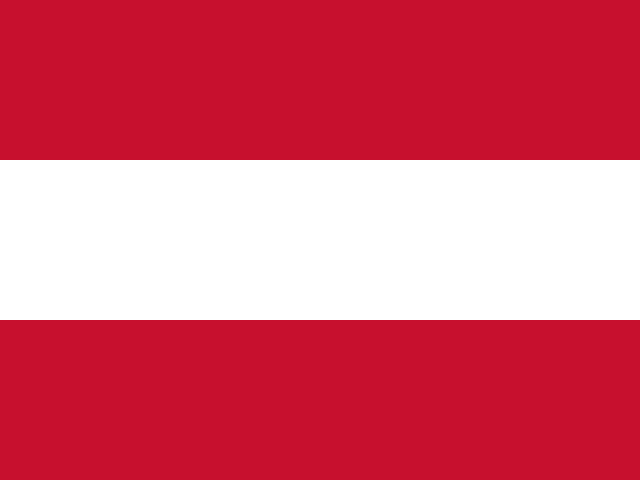 AustriaFederal parliamentary republicFederal 68%
Find your closest countries
Move the twelve axes to describe your views. Countries are ranked by the same distance calculation as the test. This is an exploration of government profiles, not a completed test result.
The example starts at 50% on every axis. Move a slider to explore, or take the test for scores based on your answers.
Neutral example · 50% on every axis
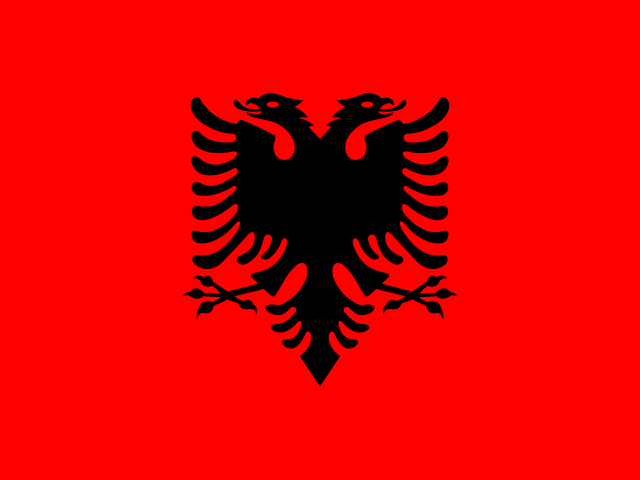 Unitary parliamentary republic
Albania is a unitary parliamentary republic divided into counties and municipalities, and has been a NATO member since 2009.
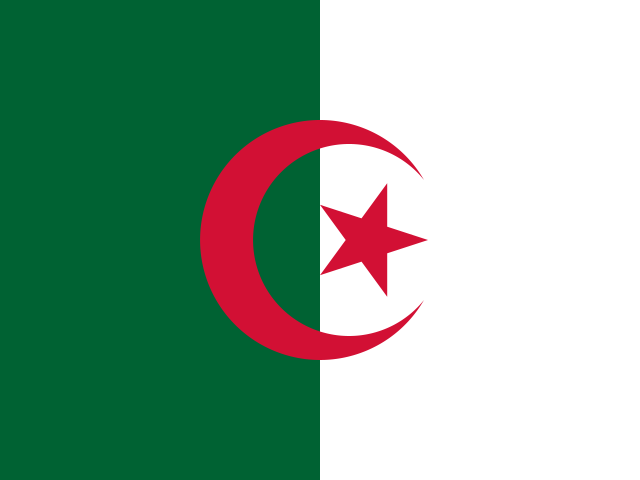 Unitary semi-presidential republic
Algeria is a unitary semi-presidential republic divided into 69 provinces, where the presidency and the military hold most of the power.
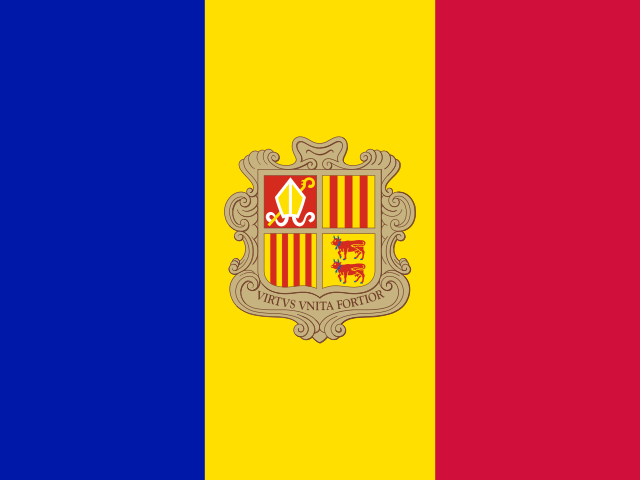 Unitary parliamentary co-principality
Andorra is a unitary parliamentary co-principality in the Pyrenees, with the French president and the Catholic bishop of Urgell as joint heads of state, and seven parishes.
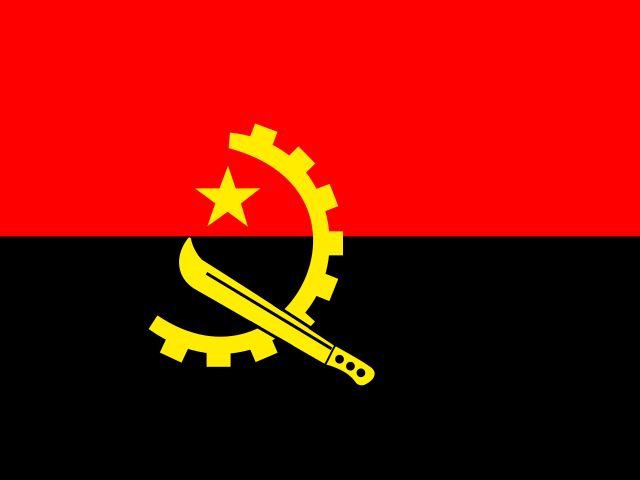 Unitary presidential republic
Angola is a unitary presidential republic of 21 provinces.
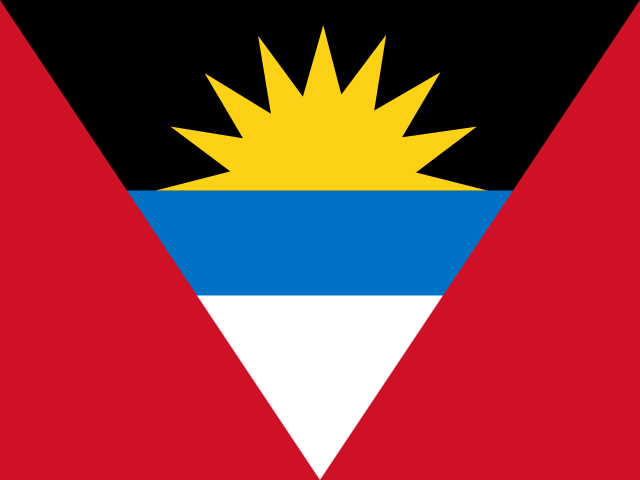 Unitary parliamentary constitutional monarchy
Antigua and Barbuda is a unitary parliamentary constitutional monarchy with King Charles III as head of state and a two-chamber parliament.
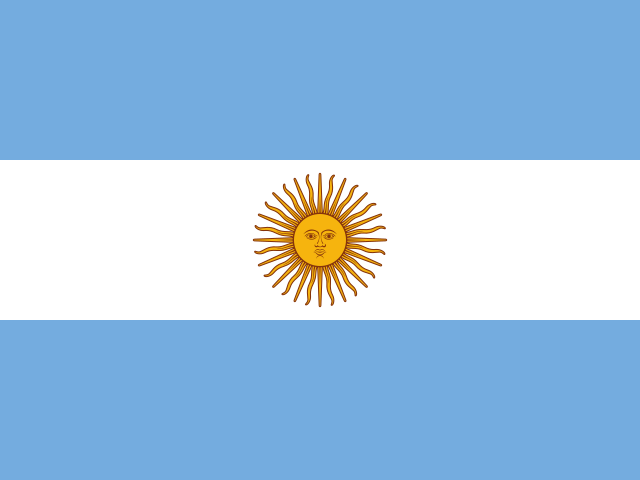 Federal presidential republic
Argentina is a federal presidential republic of twenty-three provinces and an autonomous capital.
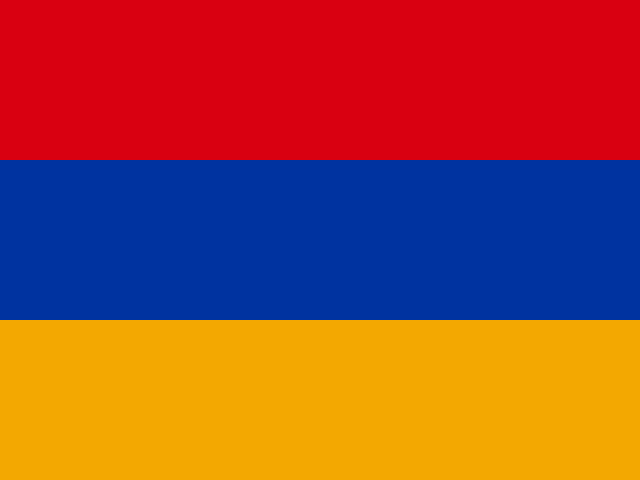 Unitary parliamentary republic
Armenia is a unitary parliamentary republic divided into ten provinces.
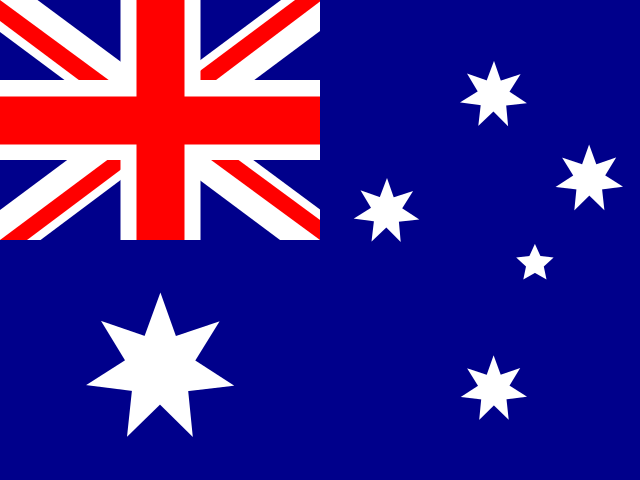 Federal parliamentary constitutional monarchy
Australia is a federal parliamentary constitutional monarchy of six states and two territories with compulsory voting.
Austria is a federal parliamentary republic of nine states and has been constitutionally neutral since 1955.
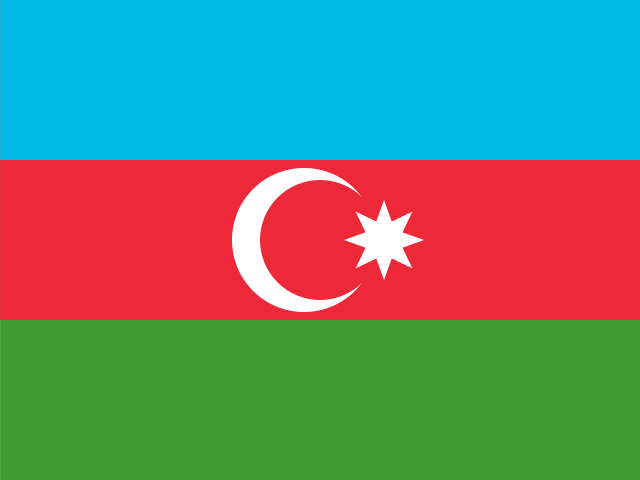 Unitary semi-presidential republic
Azerbaijan is a unitary semi-presidential republic led by Ilham Aliyev since 2003, with Nakhchivan as an autonomous exclave.
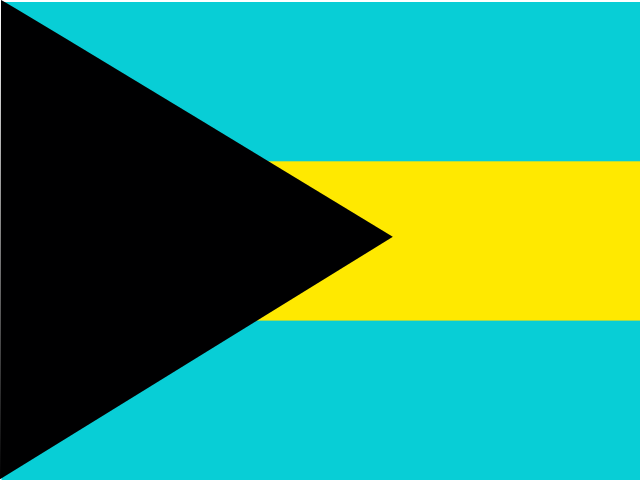 Unitary parliamentary constitutional monarchy
The Bahamas is a unitary parliamentary constitutional monarchy with King Charles III as head of state and a bicameral Westminster-style parliament.
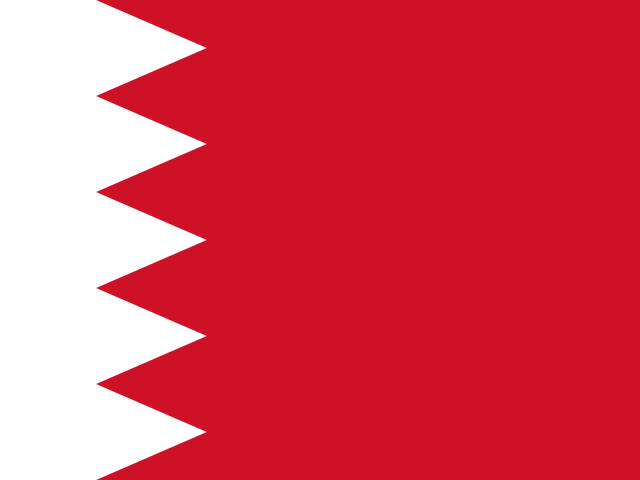 Unitary constitutional monarchy
Bahrain is a unitary constitutional monarchy ruled by the Al Khalifa family, with an elected lower chamber and an appointed upper chamber.
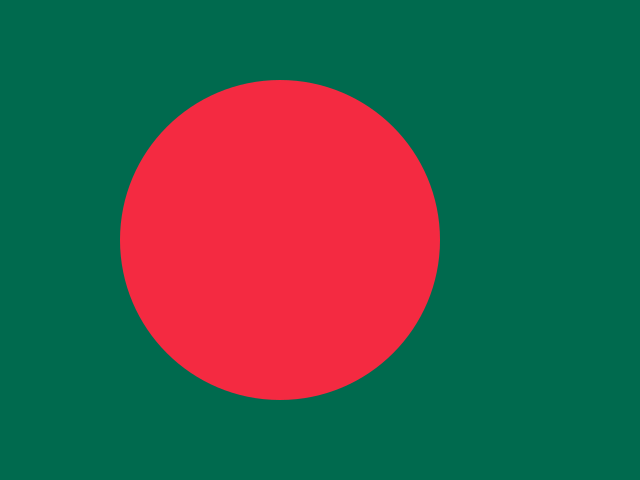 Unitary parliamentary republic
Bangladesh is a unitary parliamentary republic.
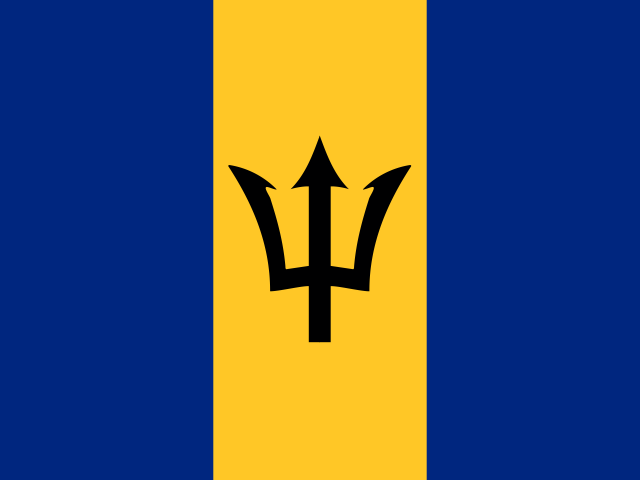 Unitary parliamentary republic
Barbados is a unitary parliamentary republic that removed the monarchy in November 2021, with a president as ceremonial head of state.
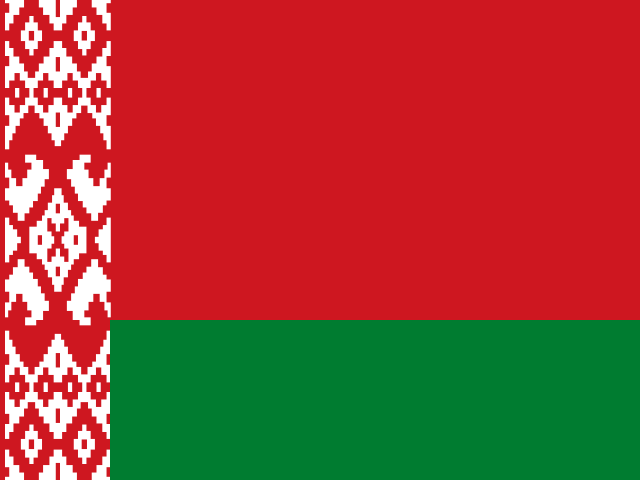 Unitary semi-presidential republic
Belarus is a unitary semi-presidential republic led by Alexander Lukashenko since 1994 and closely allied with Russia through the Union State.
Belgium is a federal parliamentary constitutional monarchy of three regions and three language communities, with highly devolved powers.
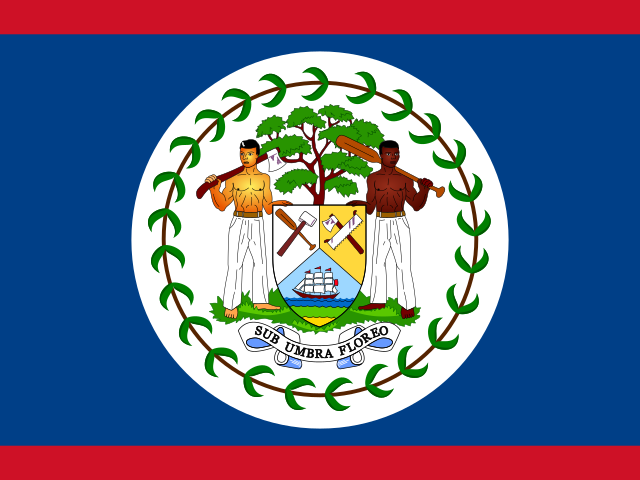 Unitary parliamentary constitutional monarchy
Belize is a unitary parliamentary constitutional monarchy of six districts with King Charles III as head of state.
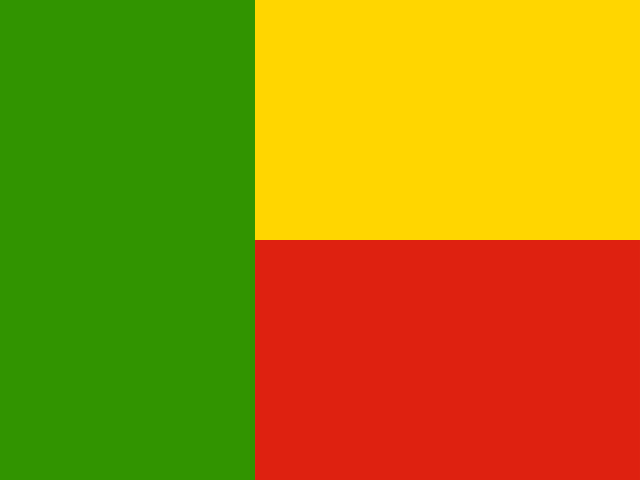 Unitary presidential republic
Benin is a unitary presidential republic of twelve departments.
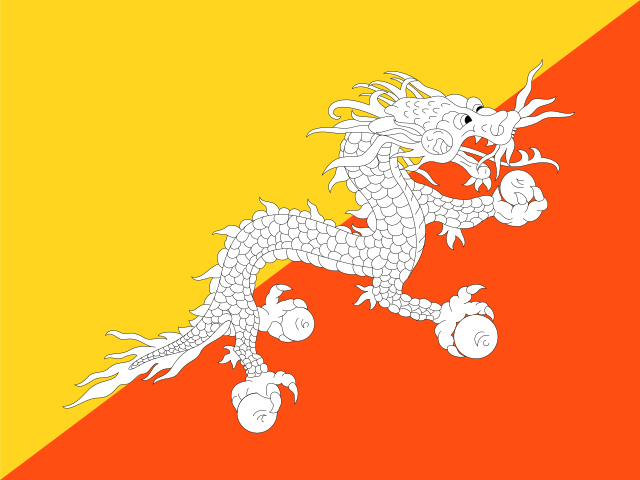 Unitary parliamentary constitutional monarchy
Bhutan is a parliamentary constitutional monarchy that held its first national elections in 2008.
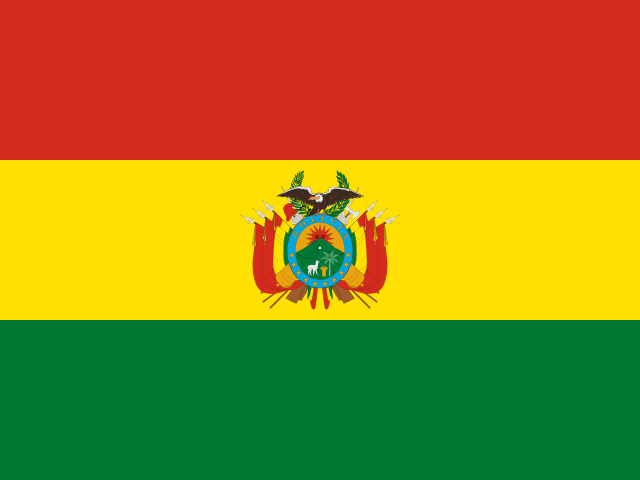 Unitary presidential republic
Bolivia is a unitary presidential republic whose constitution defines a plurinational state with regional autonomies.
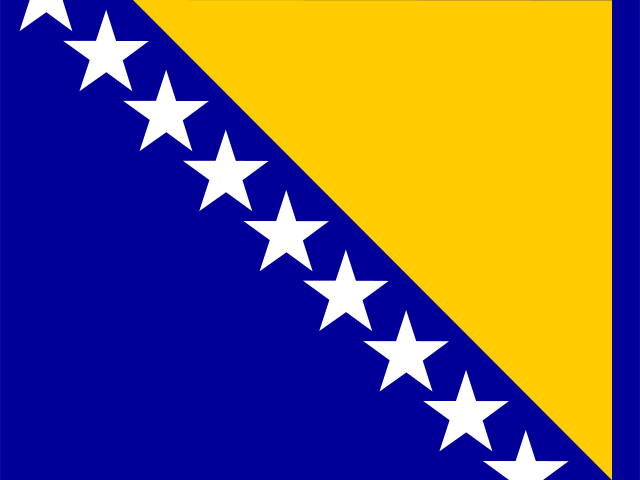 Federal parliamentary republic, ethnic power-sharing
Bosnia and Herzegovina is a decentralised state under the 1995 Dayton Agreement, made up of the Federation, Republika Srpska and the Brčko District, with a three-member rotating Presidency.
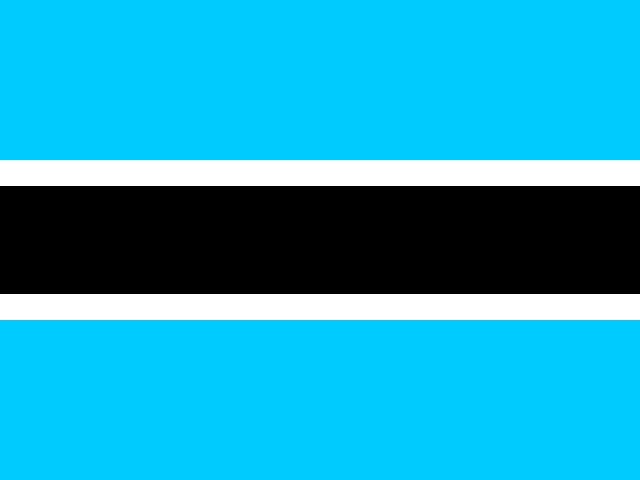 Unitary parliamentary republic
Botswana is a unitary parliamentary republic in which parliament elects the president.
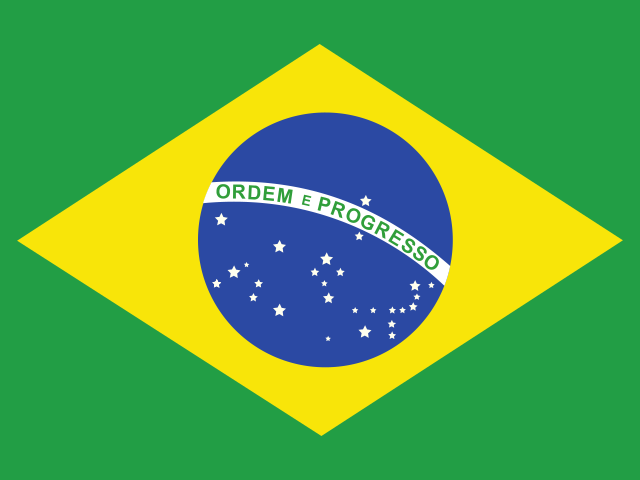 Federal presidential republic
Brazil is a federal presidential republic of twenty-six states and a federal district.
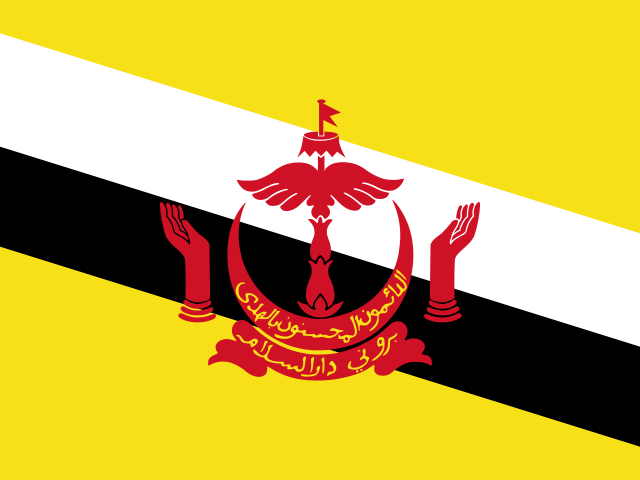 Unitary absolute monarchy
Brunei is a unitary absolute monarchy ruled by Sultan Hassanal Bolkiah, who is head of state and government.
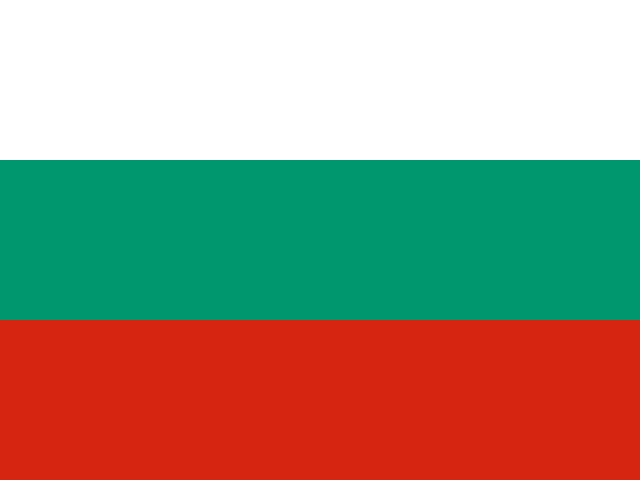 Unitary parliamentary republic
Bulgaria is a unitary parliamentary republic and a member of the EU and NATO.
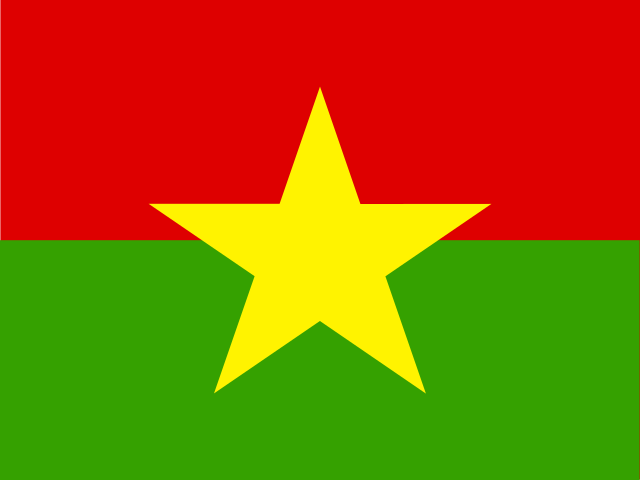 Unitary military-led transitional republic
Burkina Faso is a unitary state run by a military government under Captain Ibrahim Traoré since the 2022 coup.
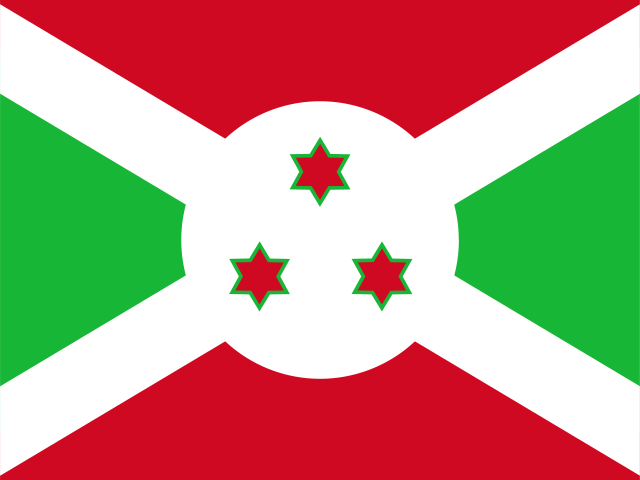 Unitary presidential republic
Burundi is a unitary presidential republic with a bicameral parliament.
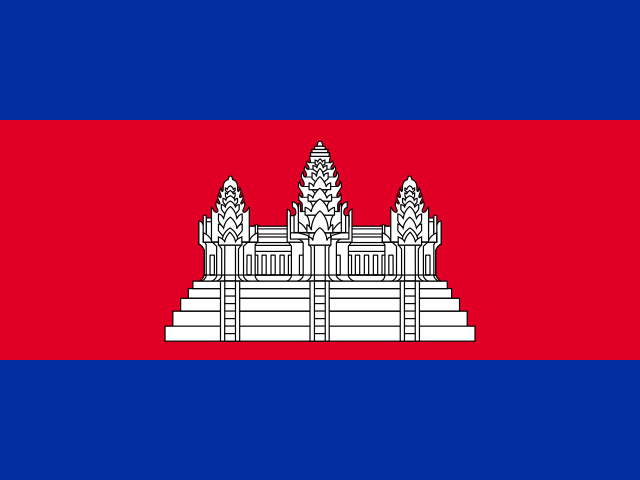 Unitary parliamentary constitutional monarchy
Cambodia is a unitary constitutional monarchy in which the Cambodian People's Party has dominated since the 1990s.
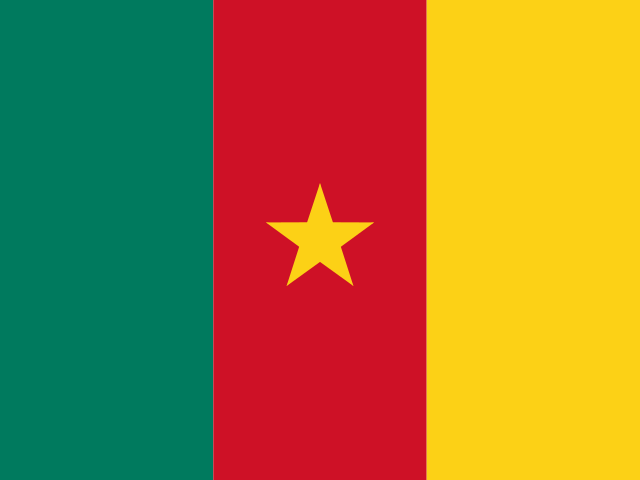 Unitary presidential republic
Cameroon is a unitary presidential republic whose president Paul Biya, in office since 1982, was declared winner of an eighth term in October 2025 with about 54 percent amid disputes and protests.
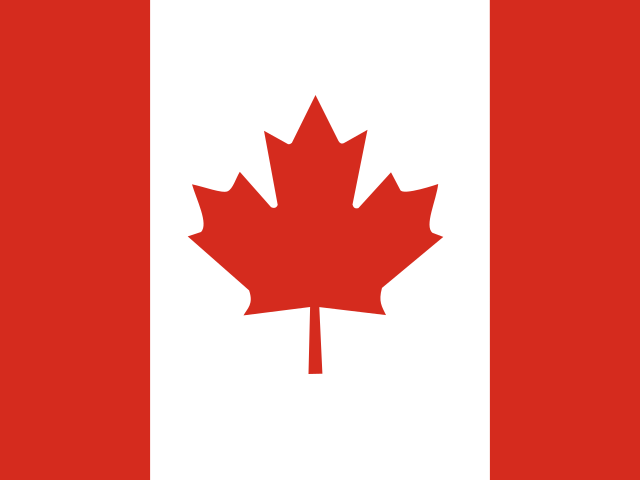 Federal parliamentary constitutional monarchy
Canada is a federal parliamentary democracy and constitutional monarchy of ten provinces and three territories.
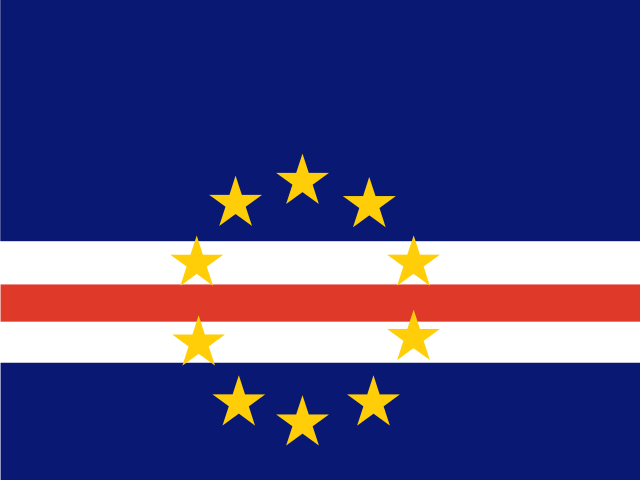 Unitary semi-presidential republic
Cape Verde is a unitary semi-presidential republic spread over ten islands, with regular multiparty transfers of power since 1991.
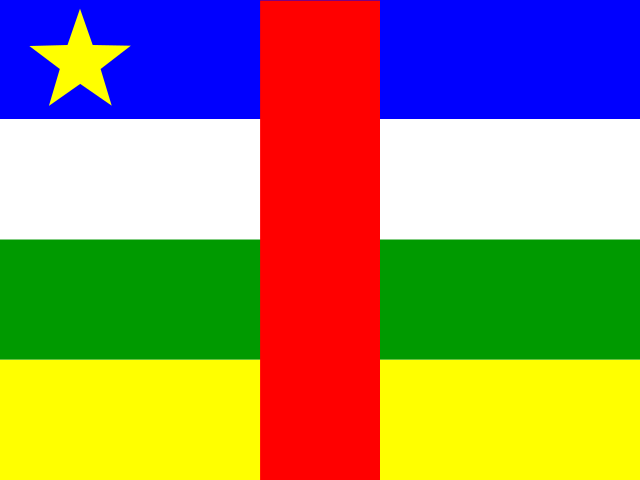 Unitary semi-presidential republic
The Central African Republic is a unitary semi-presidential republic.
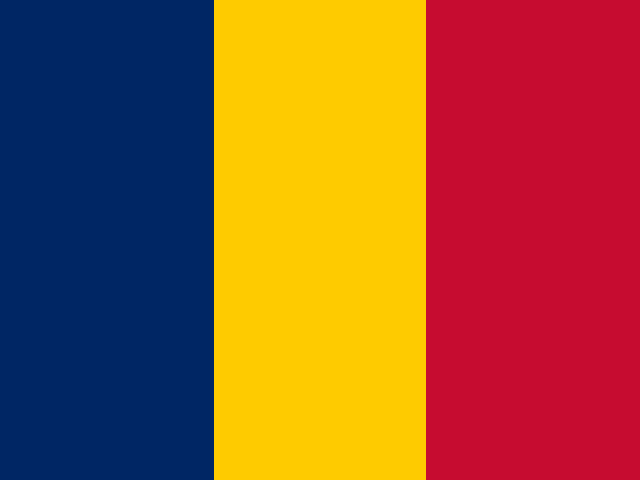 Unitary presidential republic
Chad is a unitary presidential republic led by Mahamat Déby, who won the 2024 election.
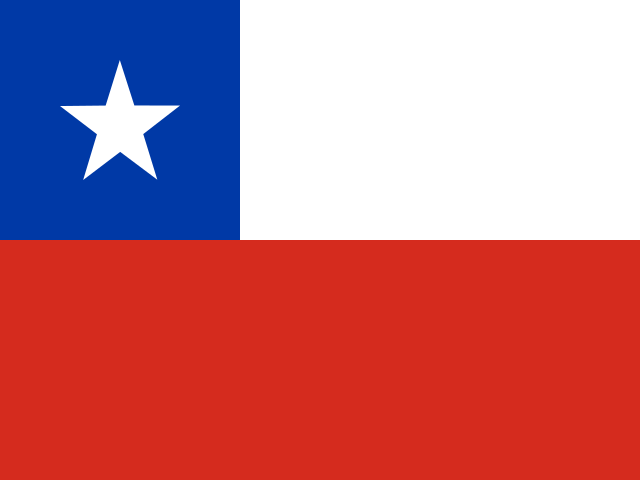 Unitary presidential republic
Chile is a unitary presidential republic with one of Latin America's most open, market-oriented economies.
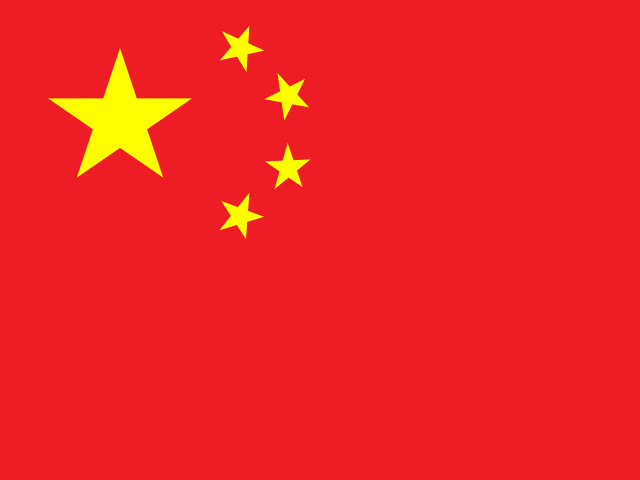 Unitary one-party socialist republic
China is a unitary one-party state led by the Communist Party.
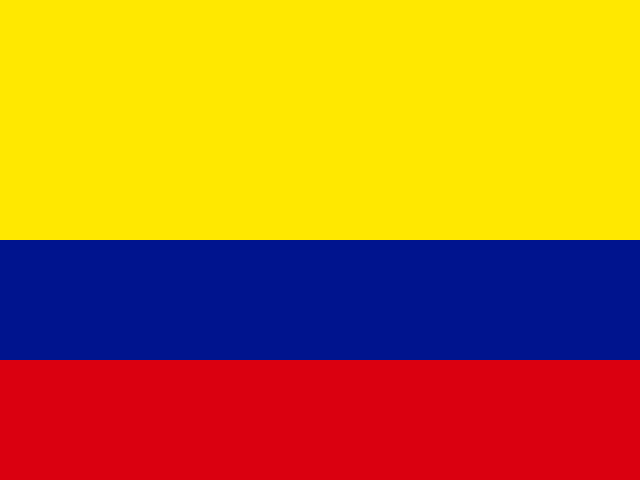 Unitary presidential republic
Colombia is a unitary presidential republic with decentralised departments and a 1991 constitution that recognises ethnic and cultural diversity.
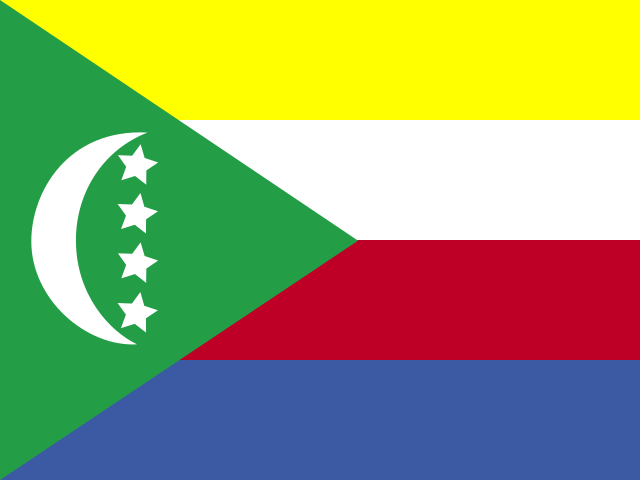 Federal presidential republic
The Comoros is a federal presidential republic of three autonomous islands with Islam as the state religion.
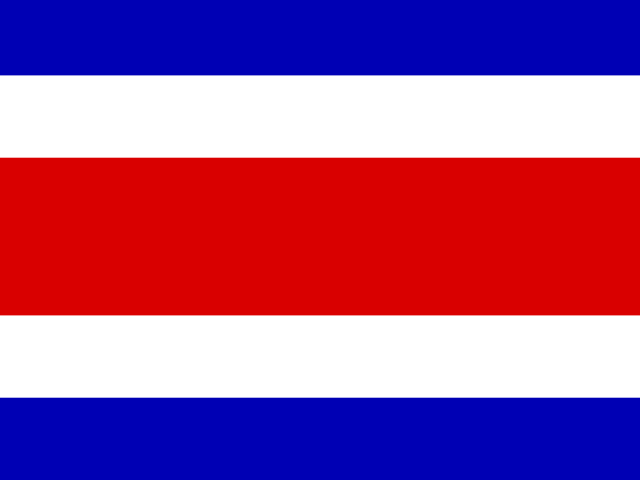 Unitary presidential republic
Costa Rica is a unitary presidential republic that abolished its army in 1948.
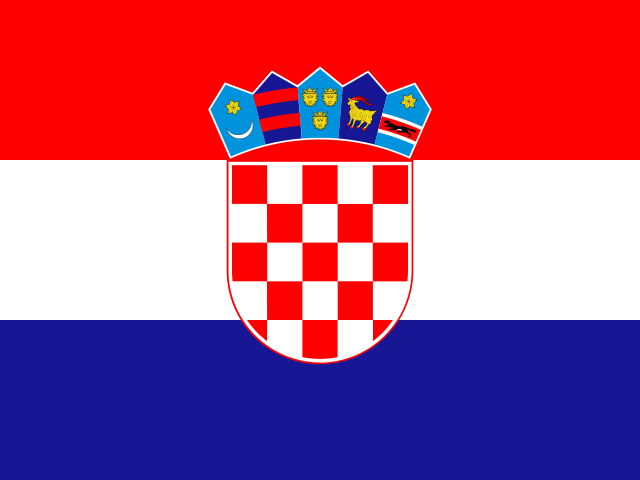 Unitary parliamentary republic
Croatia is a unitary parliamentary republic in the EU and NATO that adopted the euro and joined Schengen in 2023.
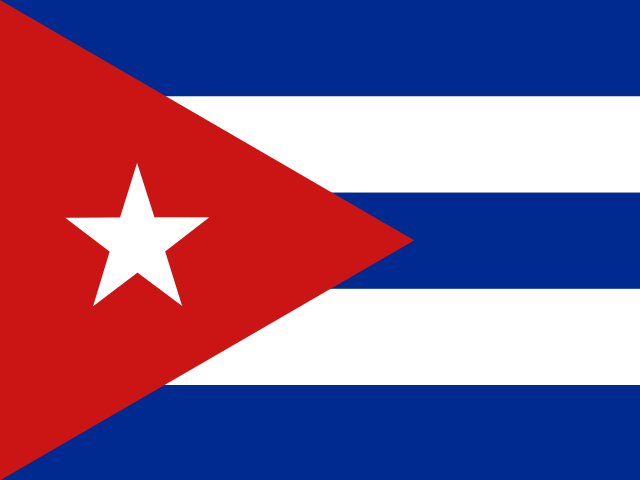 Unitary one-party socialist republic
Cuba is a one-party socialist republic in which the Communist Party is the only legal party.
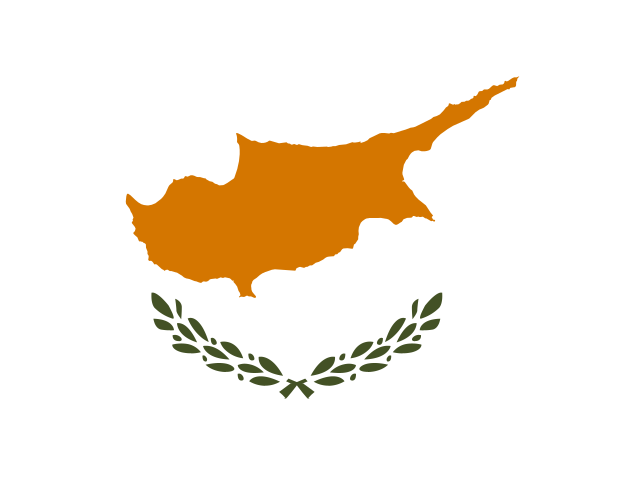 Unitary presidential republic
Cyprus is a unitary presidential republic and EU member, led by President Nikos Christodoulides since 2023.
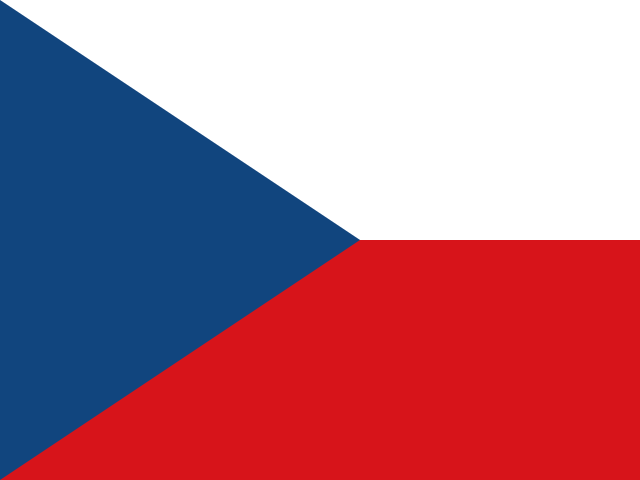 Unitary parliamentary republic
Czechia is a unitary parliamentary republic divided into fourteen regions.
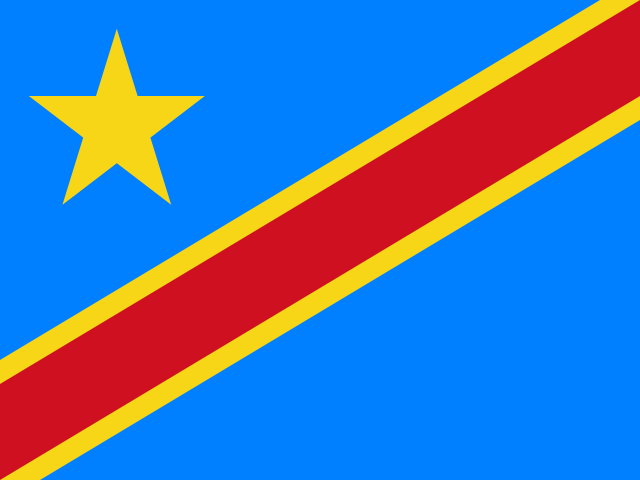 Unitary semi-presidential republic
The Democratic Republic of the Congo is a unitary semi-presidential republic of 26 provinces.
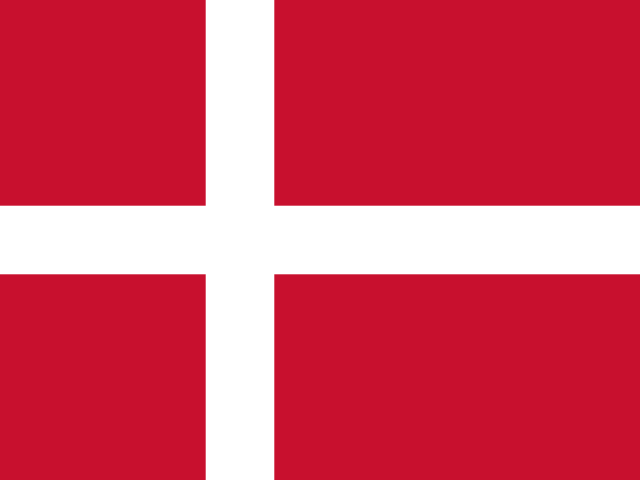 Unitary parliamentary constitutional monarchy
Denmark is a unitary parliamentary constitutional monarchy with a high-tax universal welfare state and an open economy.
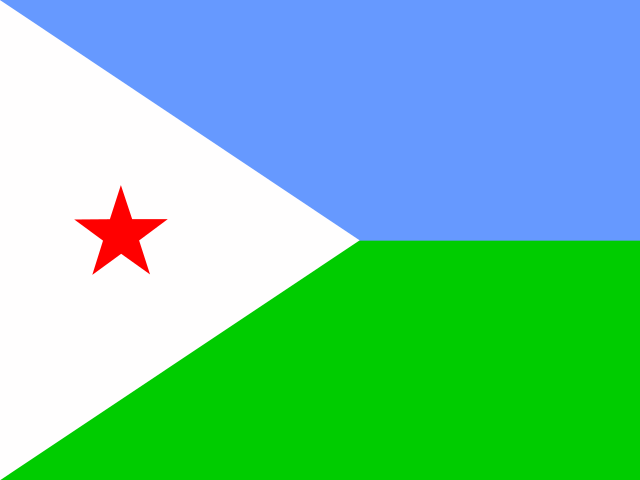 Unitary presidential republic
Djibouti is a unitary presidential republic that hosts several foreign military bases.
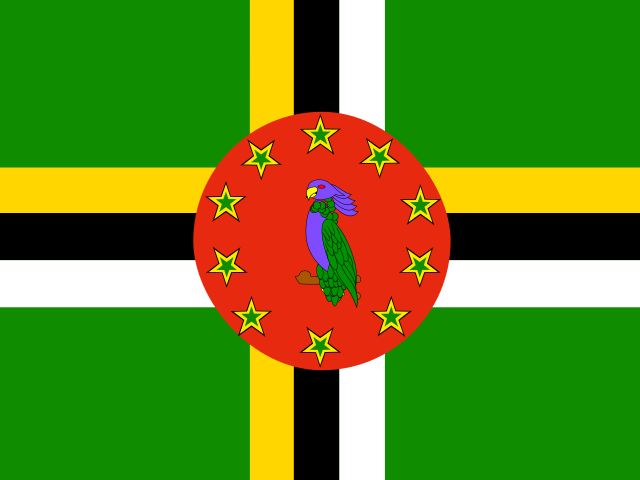 Unitary parliamentary republic
Dominica is a unitary parliamentary republic of ten parishes, with a president elected by parliament as ceremonial head of state.
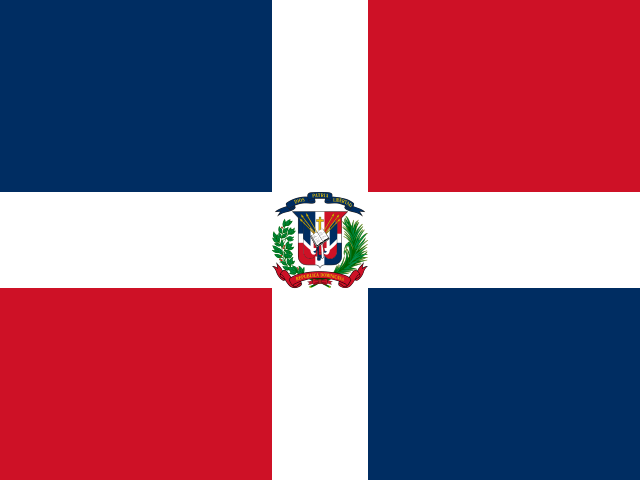 Unitary presidential republic
The Dominican Republic is a unitary presidential republic of 31 provinces and a national district.
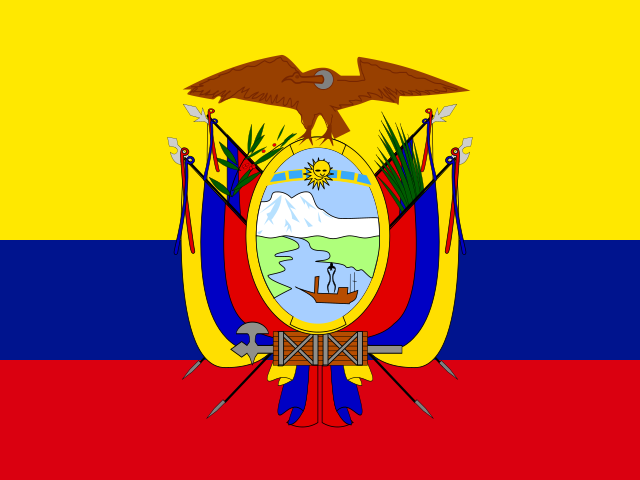 Unitary presidential republic
Ecuador is a unitary presidential republic whose 2008 constitution defines a plurinational state.
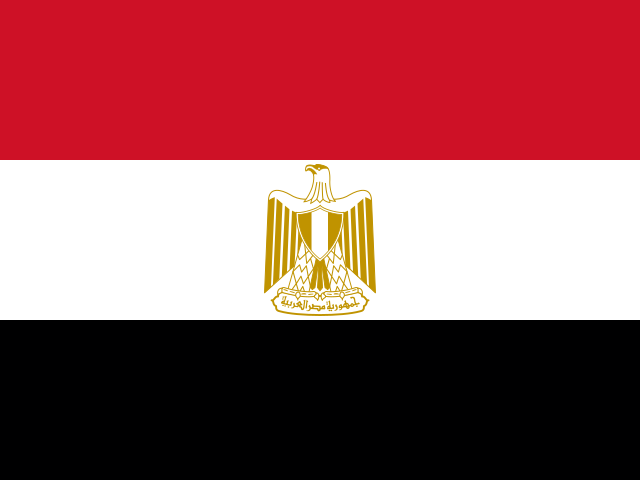 Unitary semi-presidential republic
Egypt is a unitary semi-presidential republic divided into governorates, with power concentrated in the presidency.
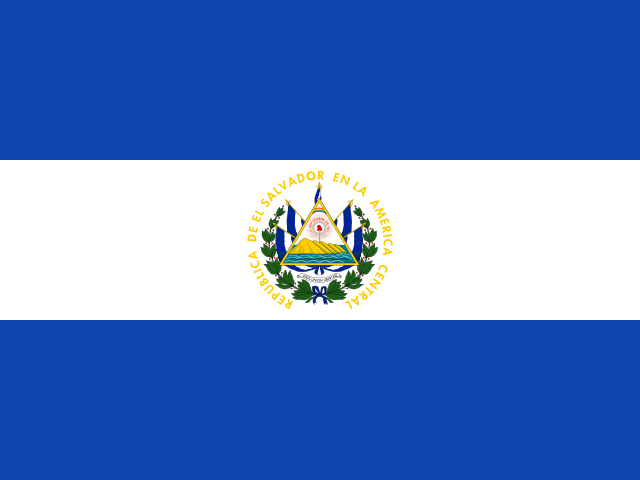 Unitary presidential republic
El Salvador is a unitary presidential republic whose governing party holds a legislative supermajority.
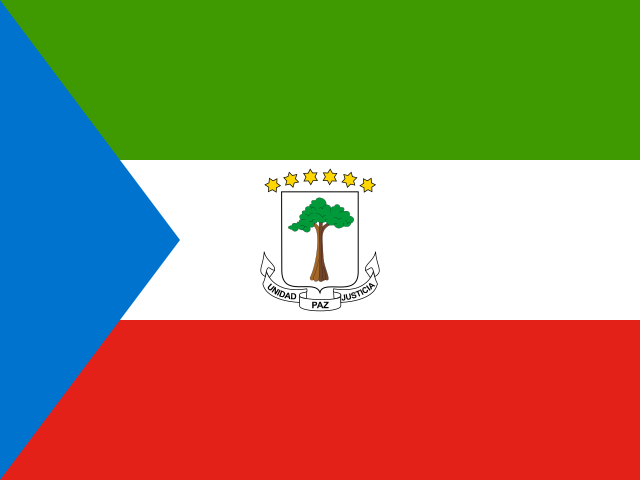 Unitary presidential republic
Equatorial Guinea is a unitary presidential republic of eight provinces, led by Teodoro Obiang since 1979.
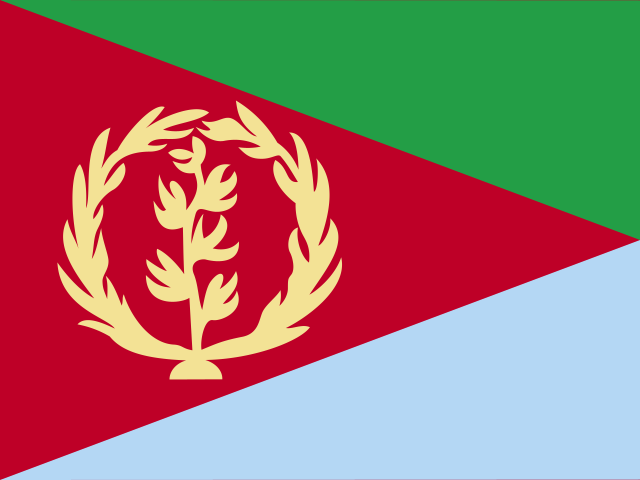 Unitary one-party presidential republic
Eritrea is a unitary one-party state of six regions, led by Isaias Afwerki since independence in 1993.
 Unitary parliamentary republic
Estonia is a unitary parliamentary republic and a member of the European Union and NATO.
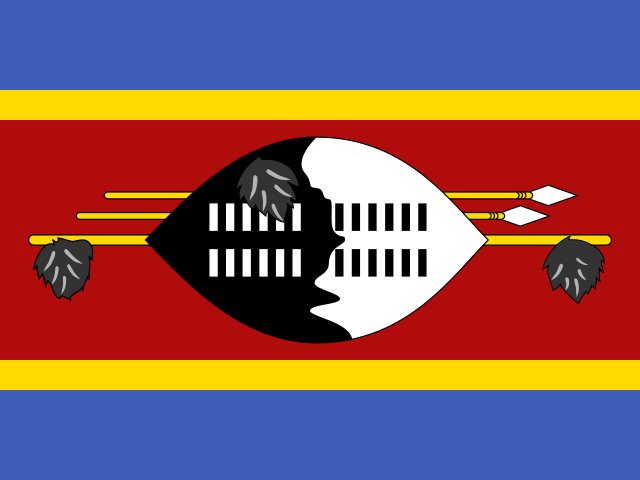 Unitary absolute monarchy
Eswatini is a unitary absolute monarchy of four regions, ruled by King Mswati III, who appoints the prime minister.
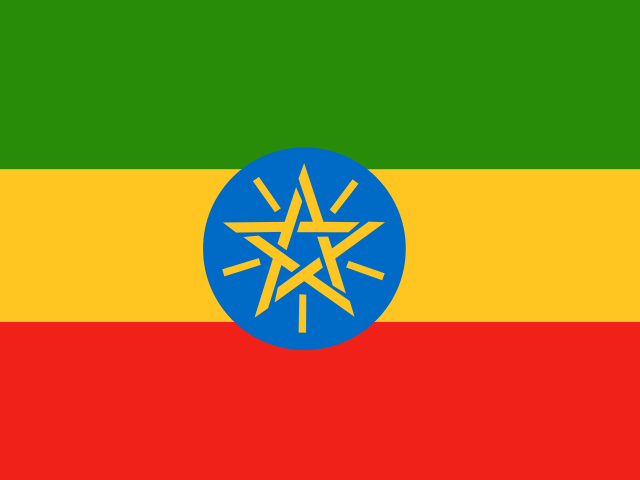 Federal parliamentary republic
Ethiopia is a federal parliamentary republic of regional states organised largely along ethnic lines.
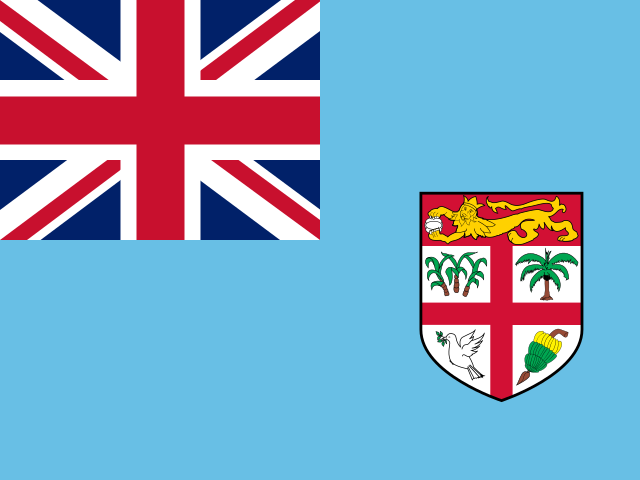 Unitary parliamentary republic
Fiji is a unitary parliamentary republic in the South Pacific, with Sitiveni Rabuka as prime minister since December 2022.
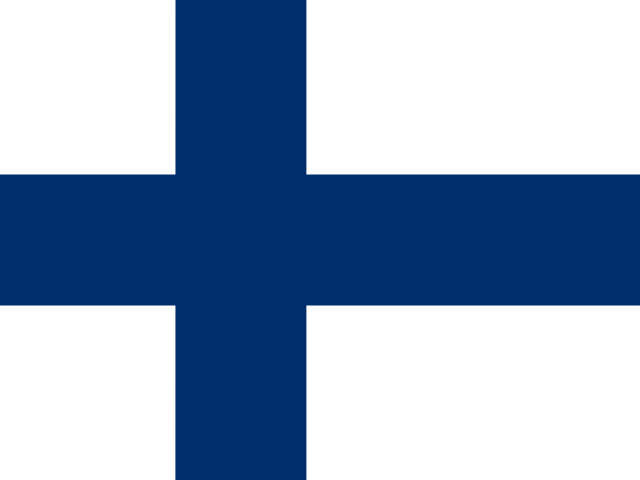 Unitary parliamentary republic
Finland is a unitary parliamentary republic and a NATO member since 2023, with a Nordic welfare state and a strong export sector.
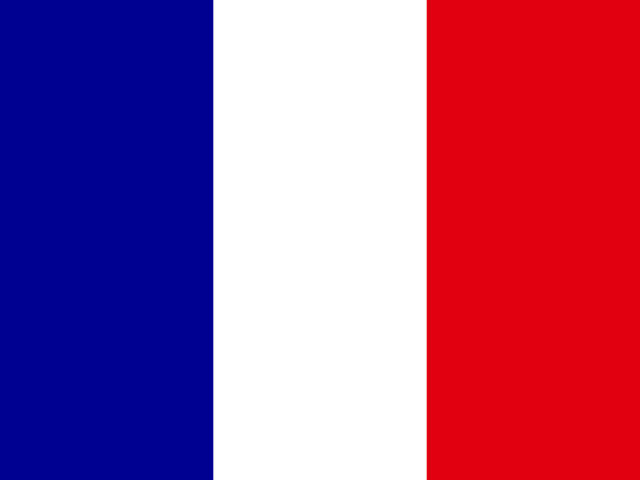 Unitary semi-presidential republic
France is a unitary semi-presidential republic with a strong central state and a strictly secular public sphere.
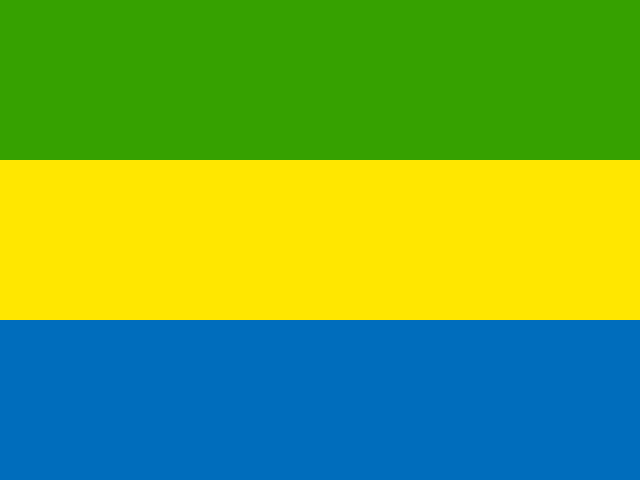 Unitary presidential republic
Gabon is a unitary presidential republic of nine provinces, led by Brice Oligui Nguema, who took power in a 2023 coup and won the April 2025 election.
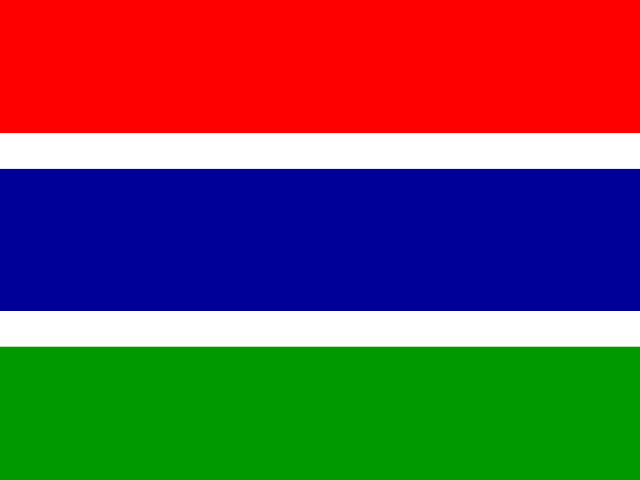 Unitary presidential republic
The Gambia is a unitary presidential republic of eight local government areas, led by Adama Barrow since Yahya Jammeh lost the 2016 election.
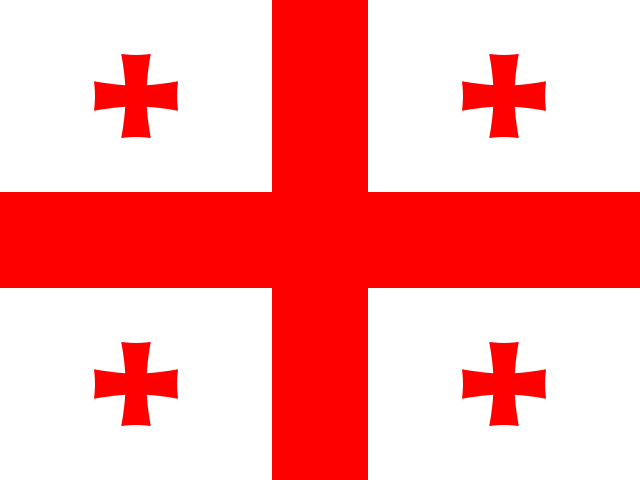 Unitary parliamentary republic
Georgia is a unitary parliamentary republic governed by the Georgian Dream party since 2012.
Germany is a federal parliamentary republic of sixteen states with a social market economy.
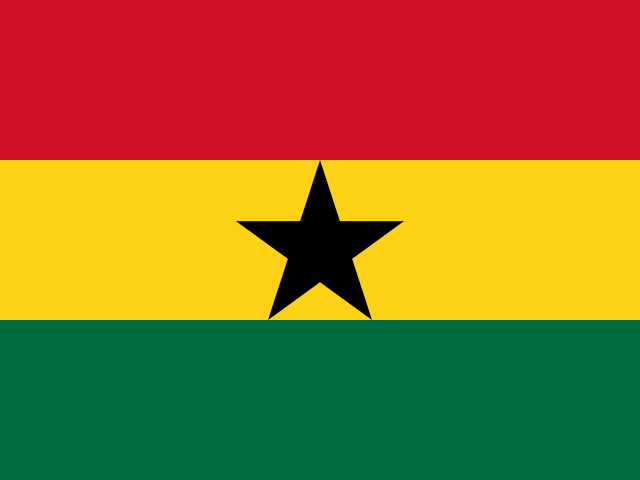 Unitary presidential republic
Ghana is a unitary presidential republic of 16 regions with a record of peaceful alternation between parties.
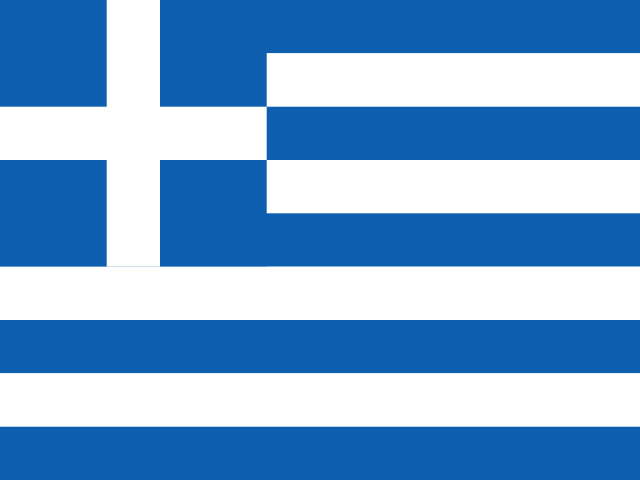 Unitary parliamentary republic
Greece is a unitary parliamentary republic and an EU and NATO member.
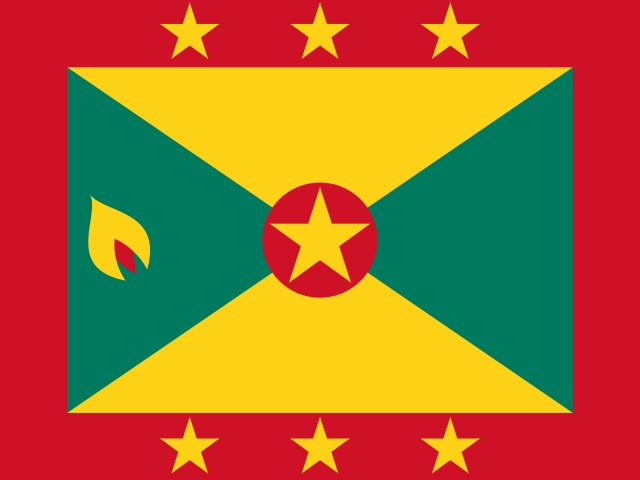 Unitary parliamentary constitutional monarchy
Grenada is a unitary parliamentary constitutional monarchy and Commonwealth realm, with Dickon Mitchell as prime minister since 2022.
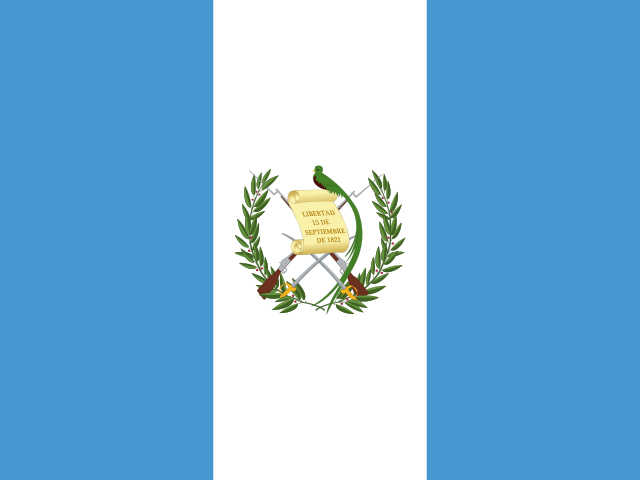 Unitary presidential republic
Guatemala is a unitary presidential republic of 22 departments.
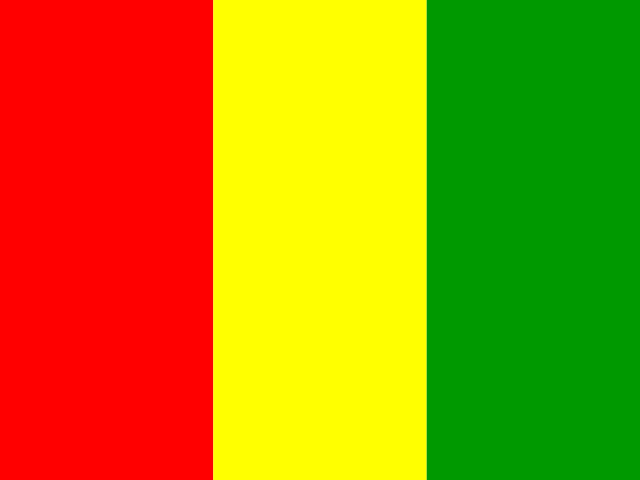 Unitary presidential republic
Guinea is a unitary presidential republic of eight regions.
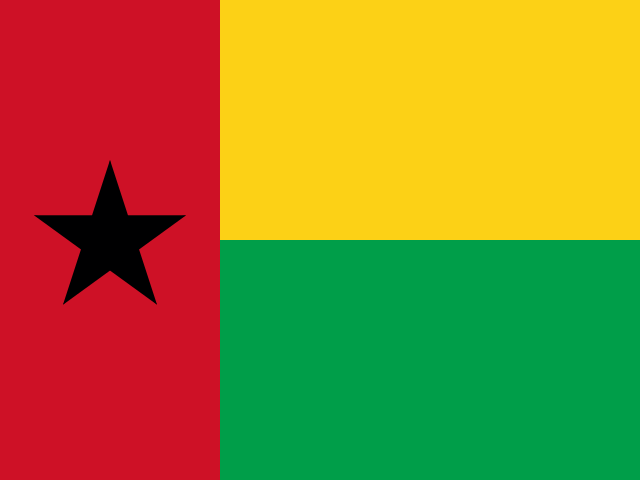 Unitary semi-presidential republic under military rule
Guinea-Bissau is a unitary semi-presidential republic under a military-led transition since the army seized power on 26 November 2025.
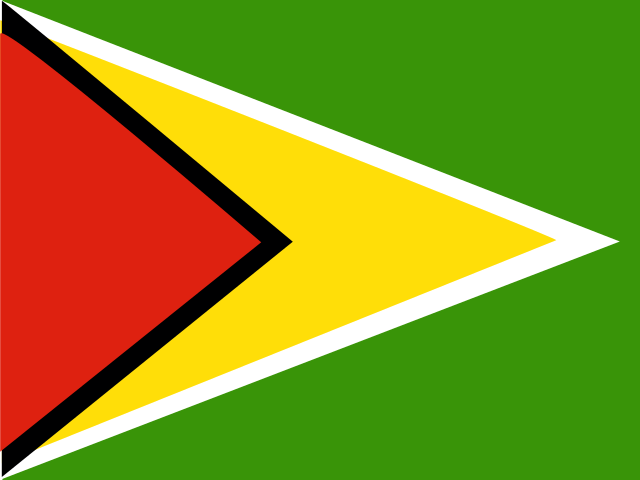 Unitary parliamentary republic with executive presidency
Guyana is a unitary parliamentary republic with an executive president, Irfaan Ali, re-elected in September 2025.
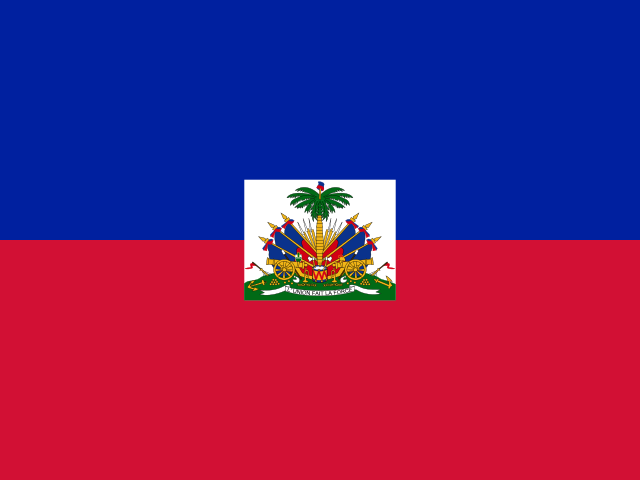 Unitary semi-presidential republic under transitional government
Haiti is a unitary republic governed since February 2026 by a prime minister acting as sole executive, after the Transitional Presidential Council's mandate ended.
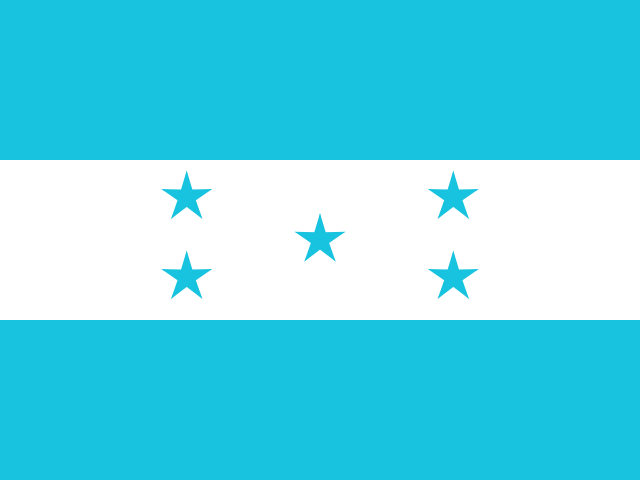 Unitary presidential republic
Honduras is a unitary presidential republic of 18 departments.
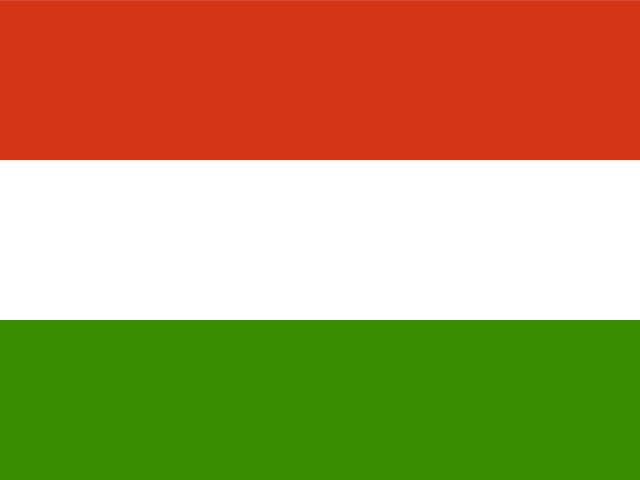 Unitary parliamentary republic
Hungary is a unitary parliamentary republic and a member of the European Union and NATO.
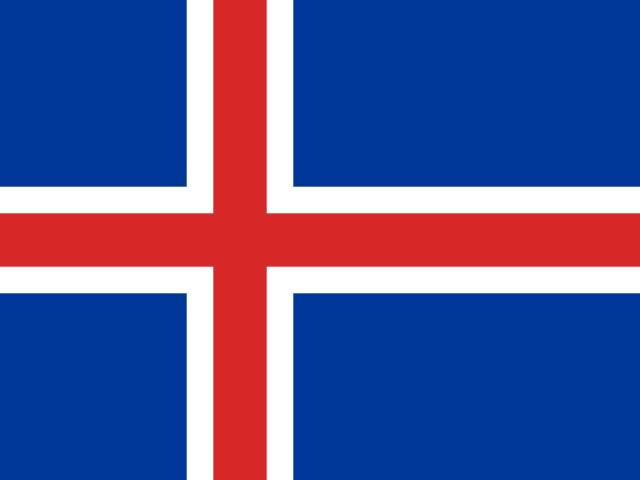 Unitary parliamentary republic
Iceland is a unitary parliamentary republic with one of the world's oldest parliaments, the Althing.
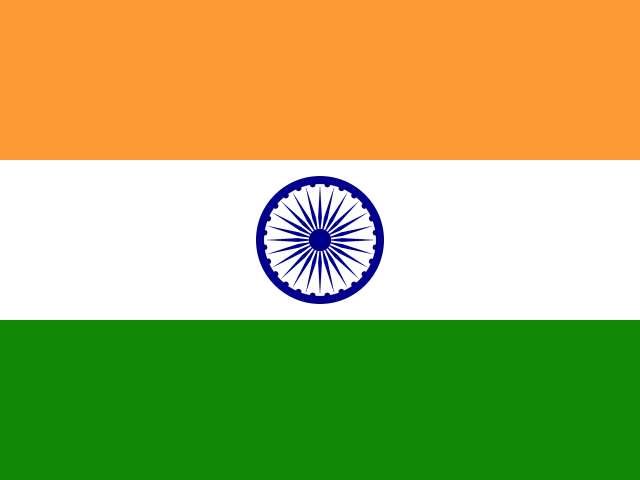 Federal parliamentary republic
India is a federal parliamentary republic of twenty-eight states and the world's most populous democracy.
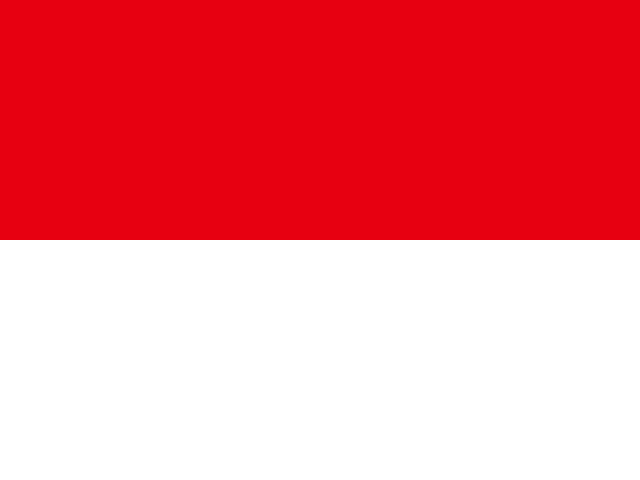 Unitary presidential republic
Indonesia is a unitary presidential republic of 38 provinces founded on the Pancasila principles.
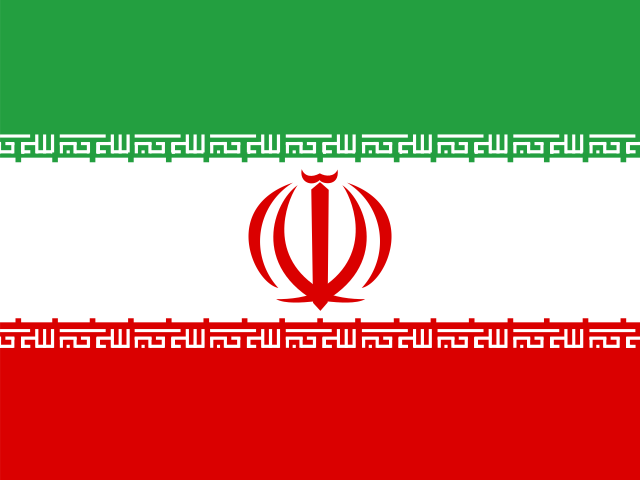 Unitary theocratic Islamic republic
Iran is an Islamic republic in which a Shia cleric serving as Supreme Leader holds final authority over elected institutions.
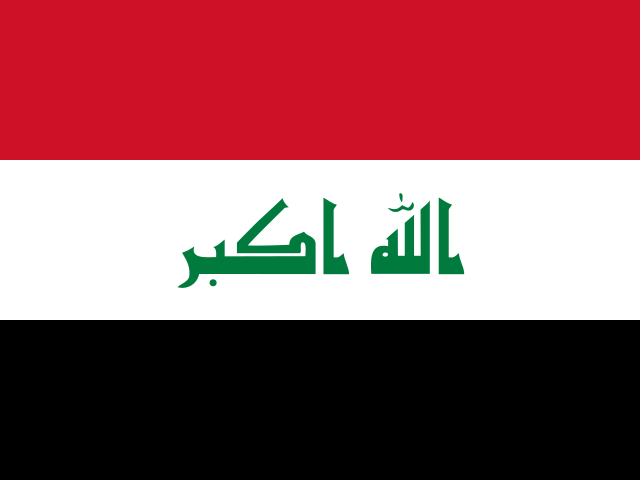 Federal parliamentary republic
Iraq is a federal parliamentary republic with an autonomous Kurdistan Region and a power-sharing system among Shia, Sunni and Kurdish blocs.
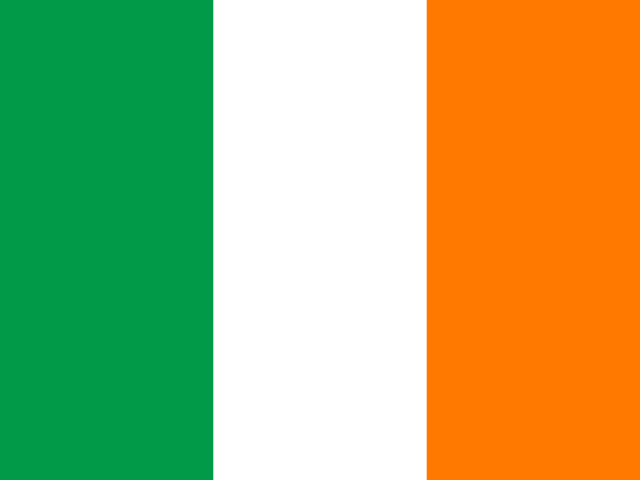 Unitary parliamentary republic
Ireland is a unitary parliamentary republic and an EU member that maintains military neutrality.
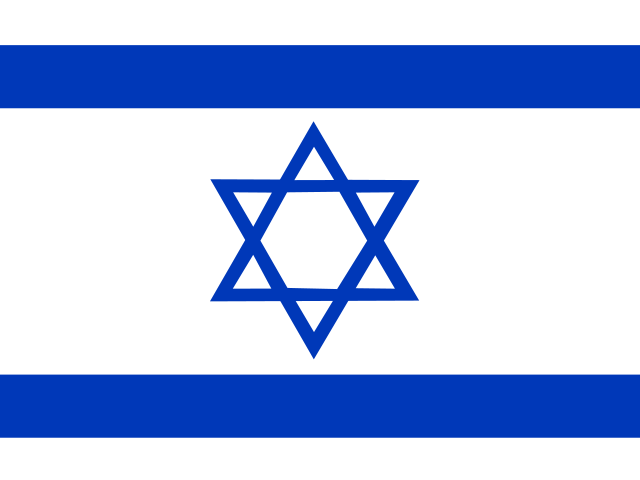 Unitary parliamentary republic
Israel is a unitary parliamentary republic with a proportionally elected legislature and no single written constitution.
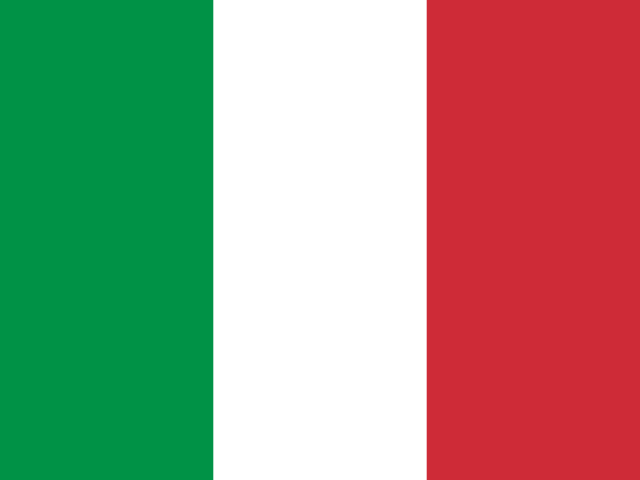 Unitary parliamentary republic
Italy is a unitary parliamentary republic of twenty regions and a founding member of the European Union.
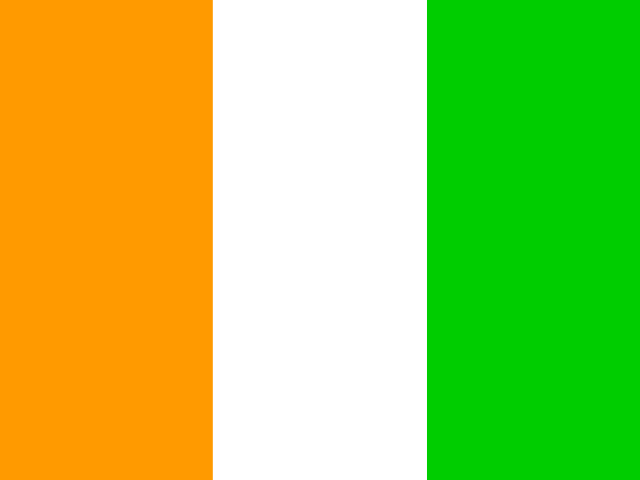 Unitary presidential republic
Ivory Coast is a unitary presidential republic led by Alassane Ouattara, who won a fourth term in October 2025.
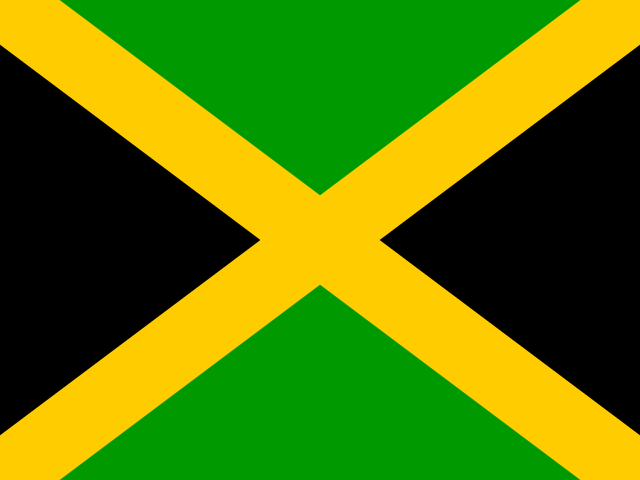 Unitary parliamentary constitutional monarchy
Jamaica is a unitary parliamentary constitutional monarchy with King Charles III as head of state and a two-chamber Westminster-style parliament.
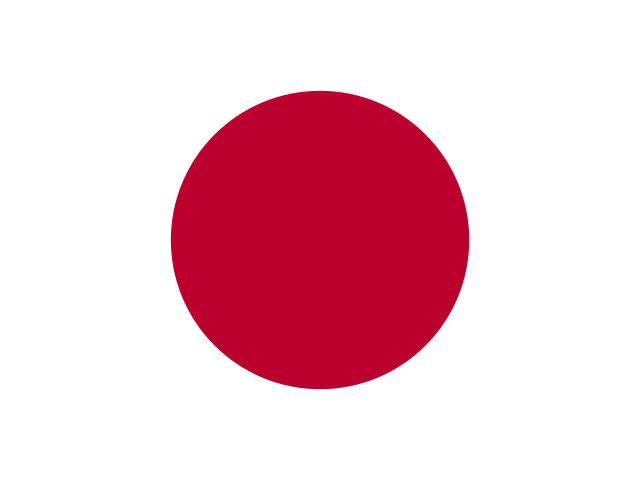 Unitary parliamentary constitutional monarchy
Japan is a unitary parliamentary constitutional monarchy whose constitution renounces war.
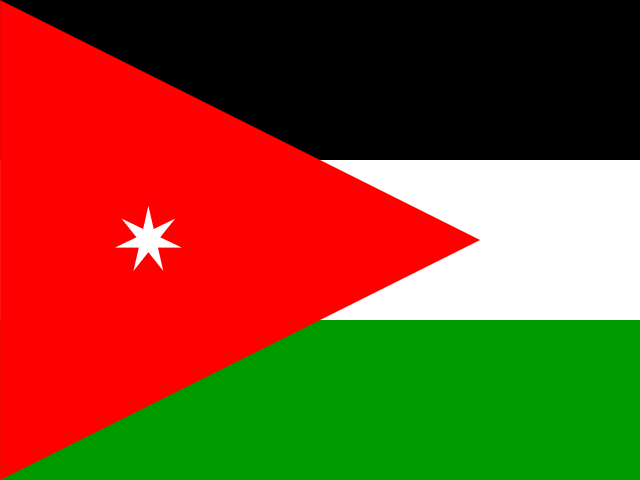 Unitary parliamentary constitutional monarchy
Jordan is a unitary constitutional monarchy in which the king appoints the government and the upper house of parliament.
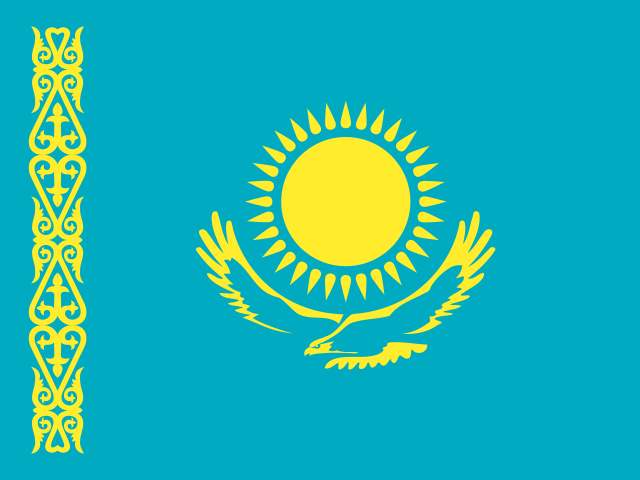 Unitary presidential republic
Kazakhstan is a unitary presidential republic.
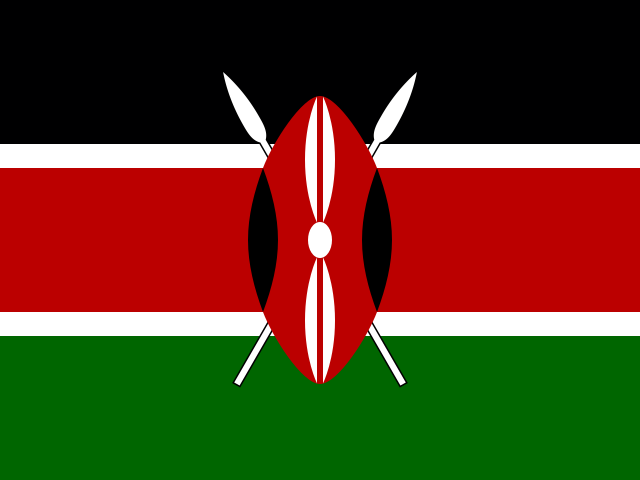 Unitary presidential republic
Kenya is a unitary presidential republic with 47 devolved counties under the 2010 constitution.
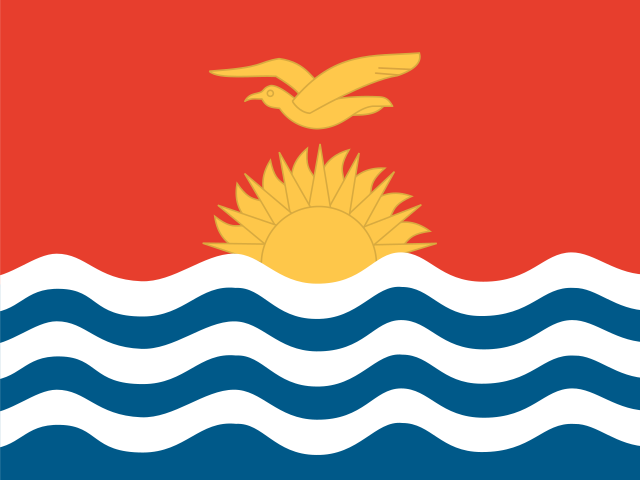 Unitary parliamentary republic with executive president
Kiribati is a unitary parliamentary republic of 32 atolls and one raised coral island, led by President Taneti Maamau since 2016.
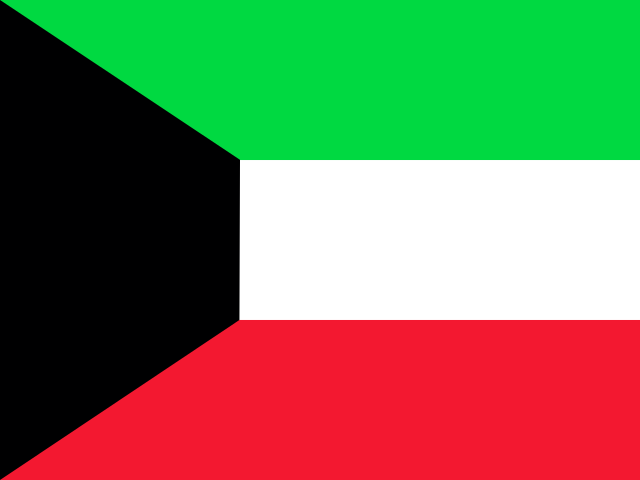 Unitary constitutional emirate
Kuwait is a hereditary emirate whose elected National Assembly has been suspended since the emir dissolved it in May 2024.
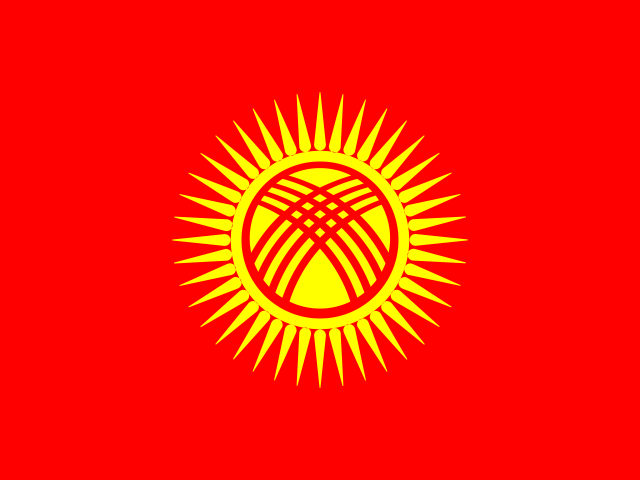 Unitary presidential republic
Kyrgyzstan is a unitary presidential republic led by Sadyr Japarov, whose powers were expanded by a 2021 constitution.
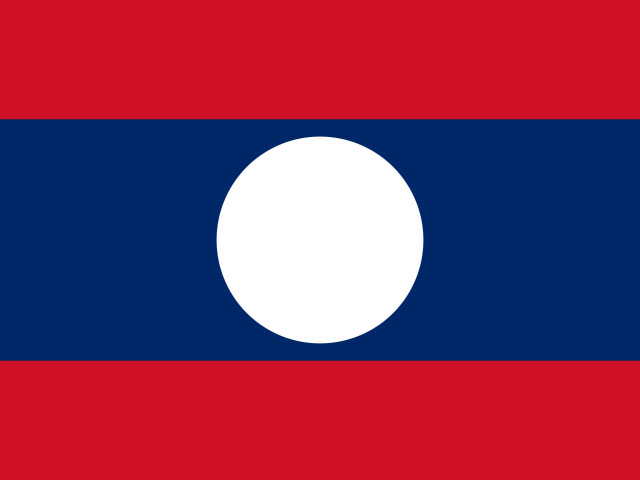 Unitary one-party socialist republic
Laos is a unitary one-party socialist republic ruled by the Lao People's Revolutionary Party.
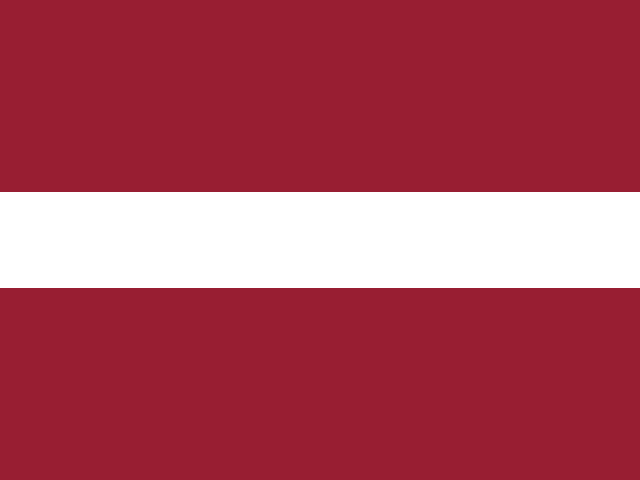 Unitary parliamentary republic
Latvia is a unitary parliamentary republic and a member of the EU and NATO.
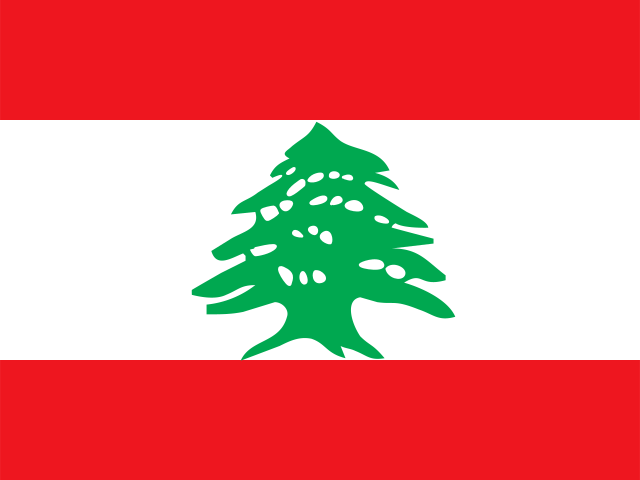 Unitary parliamentary confessional republic
Lebanon is a unitary parliamentary republic in which offices are divided among recognised religious communities.
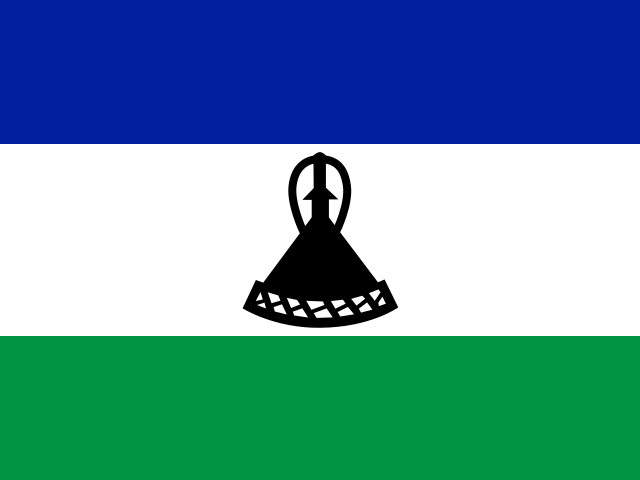 Unitary parliamentary constitutional monarchy
Lesotho is a unitary parliamentary constitutional monarchy surrounded entirely by South Africa, with King Letsie III as head of state and Samuel Matekane as prime minister since 2022.
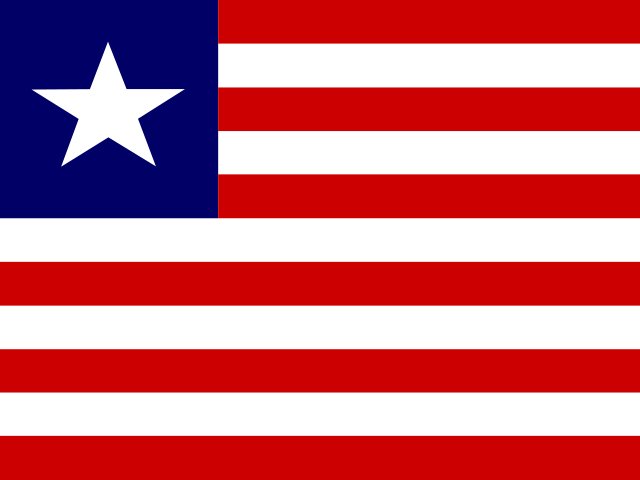 Unitary presidential republic
Liberia is a unitary presidential republic of fifteen counties, led by Joseph Boakai since January 2024.
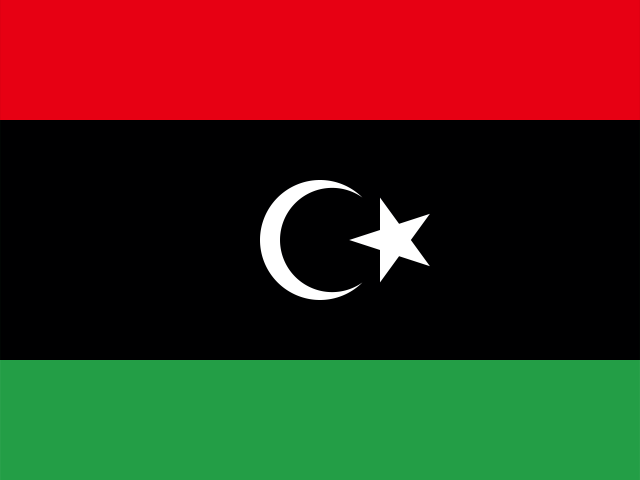 Unitary republic under rival provisional governments
Libya is split between a Tripoli-based Government of National Unity and an eastern administration aligned with the House of Representatives and Khalifa Haftar.
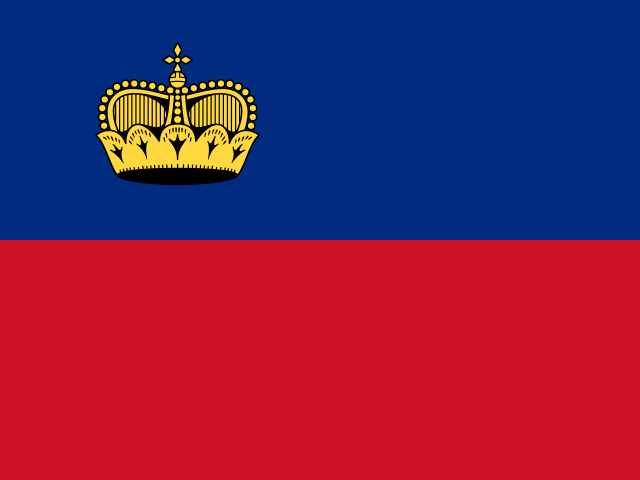 Unitary constitutional monarchy
Liechtenstein is a unitary constitutional monarchy in which the prince holds a veto and the Landtag is elected by proportional vote.
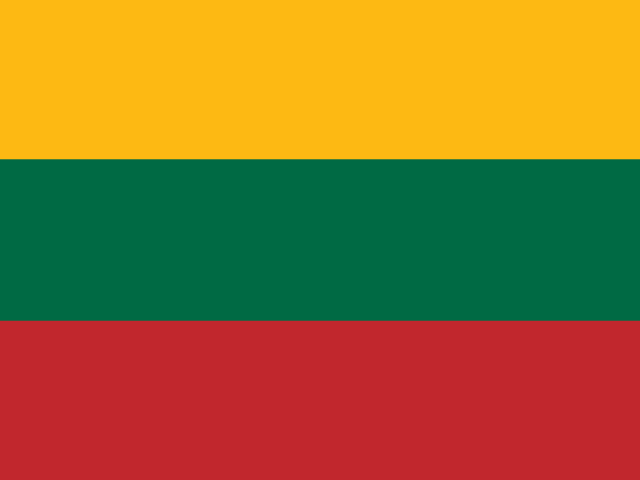 Unitary semi-presidential republic
Lithuania is a unitary semi-presidential republic and a member of the EU and NATO.
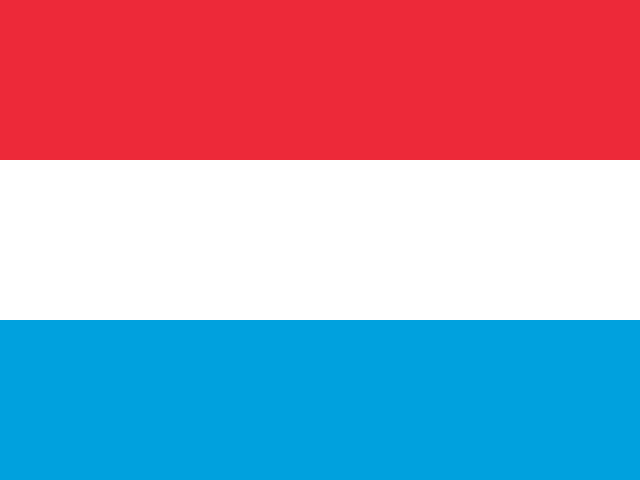 Unitary parliamentary constitutional monarchy
Luxembourg is a unitary parliamentary constitutional monarchy led by a grand duke.
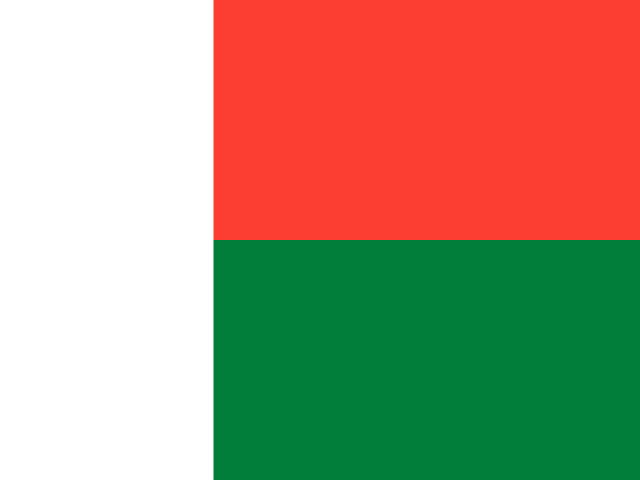 Unitary semi-presidential republic under military rule
Madagascar is a unitary state of 23 regions under a military-led transition headed by Colonel Michael Randrianirina, sworn in on 17 October 2025 after youth-led protests.
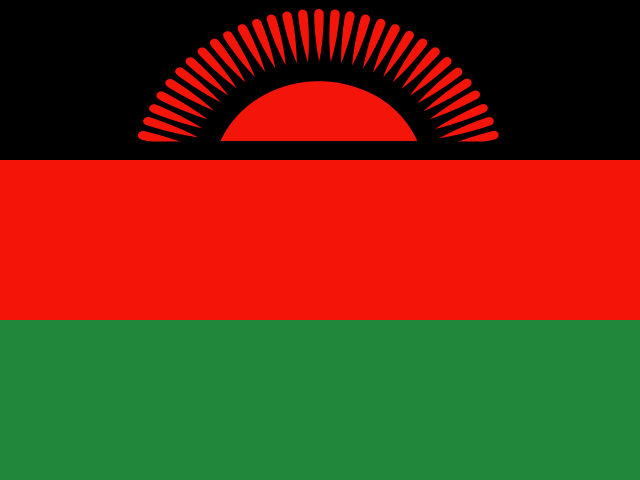 Unitary presidential republic
Malawi is a unitary presidential republic of 28 districts.
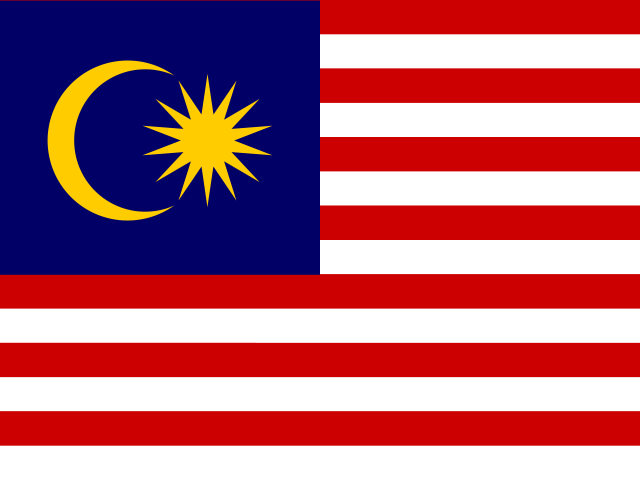 Federal parliamentary constitutional monarchy
Malaysia is a federal parliamentary constitutional monarchy of thirteen states whose king is chosen in rotation by the state rulers.
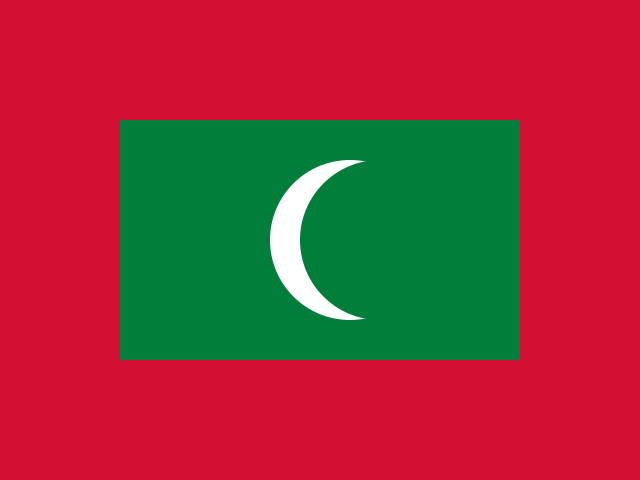 Unitary presidential republic
The Maldives is a unitary presidential republic of coral atolls, led by Mohamed Muizzu since November 2023.
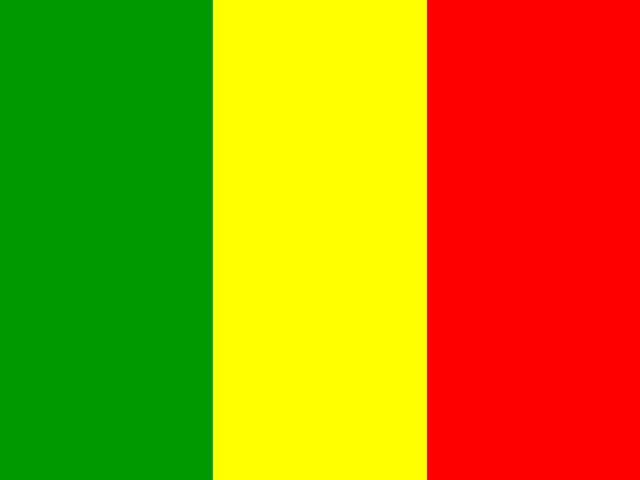 Unitary presidential republic under military rule
Mali is a unitary state governed by a military government under Assimi Goïta, who was granted a renewable five-year term in 2025 after political parties were dissolved.
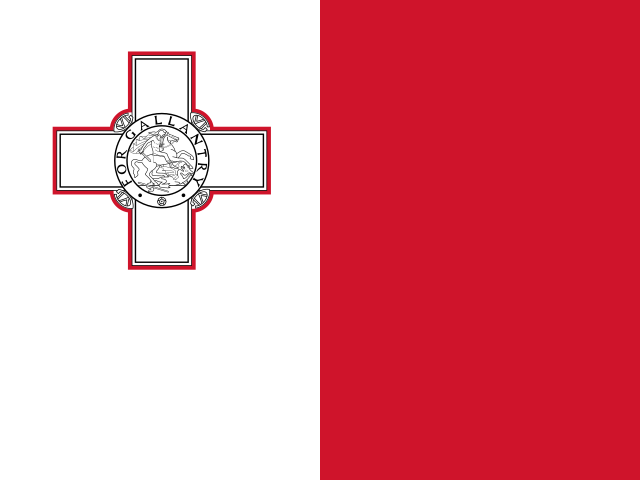 Unitary parliamentary republic
Malta is a unitary parliamentary republic made up of an island archipelago divided into local councils.
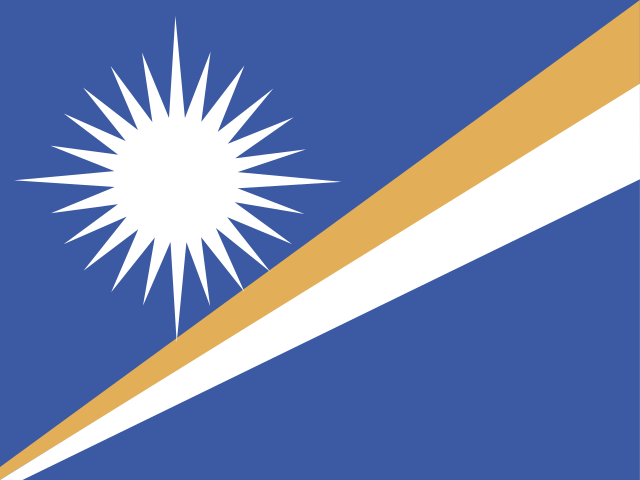 Unitary parliamentary republic
The Marshall Islands is a parliamentary republic in free association with the United States, which provides defence and economic aid.
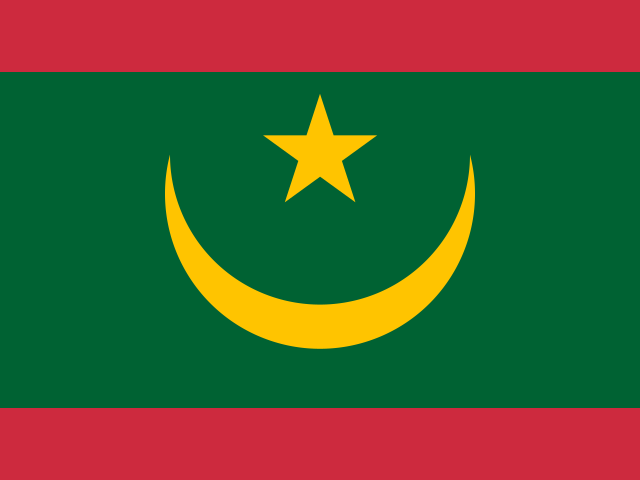 Unitary semi-presidential Islamic republic
Mauritania is a unitary Islamic republic of 15 regions with a semi-presidential system and a strong executive.
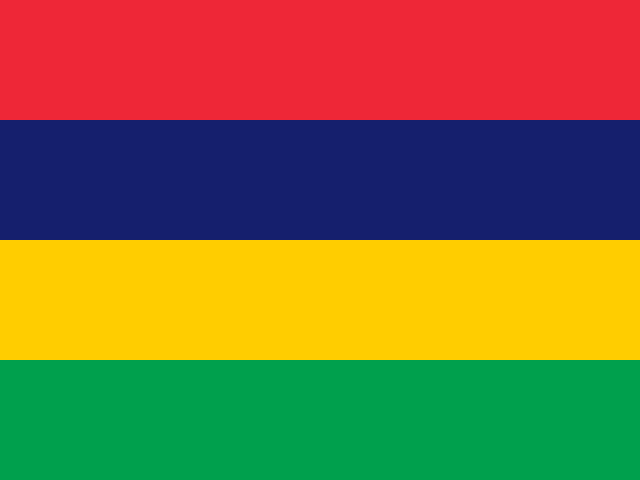 Unitary parliamentary republic
Mauritius is a unitary parliamentary republic with an autonomous assembly on Rodrigues Island.
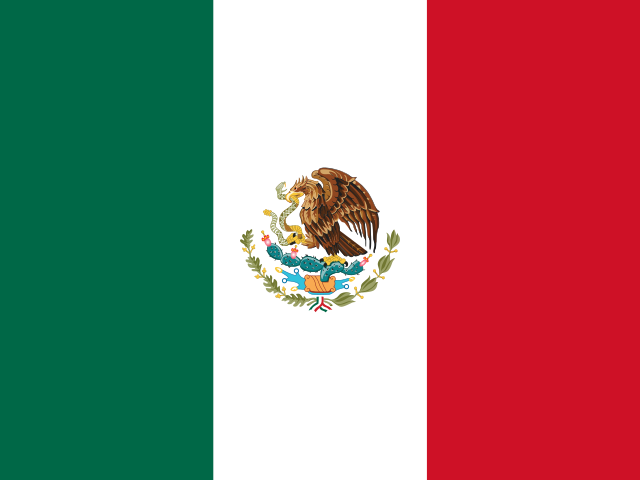 Federal presidential republic
Mexico is a federal presidential republic of thirty-one states and Mexico City.
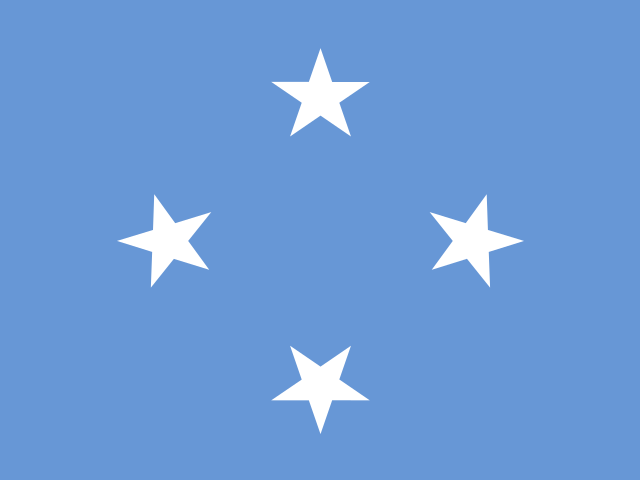 Federal parliamentary republic, executive president
The Federated States of Micronesia is a federal republic of four states, each with its own constitution.
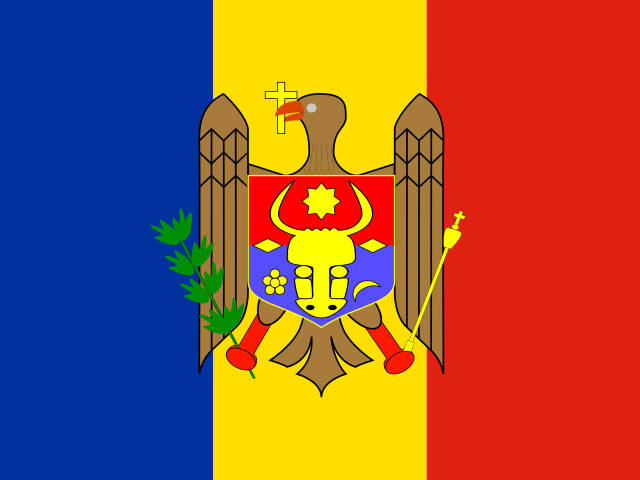 Unitary parliamentary republic
Moldova is a unitary parliamentary republic with constitutional neutrality, an autonomous region in Gagauzia and the breakaway region of Transnistria.
 Unitary parliamentary semi-constitutional monarchy
Monaco is a unitary parliamentary semi-constitutional monarchy and city-state ruled by the Grimaldi princes, with an elected National Council.
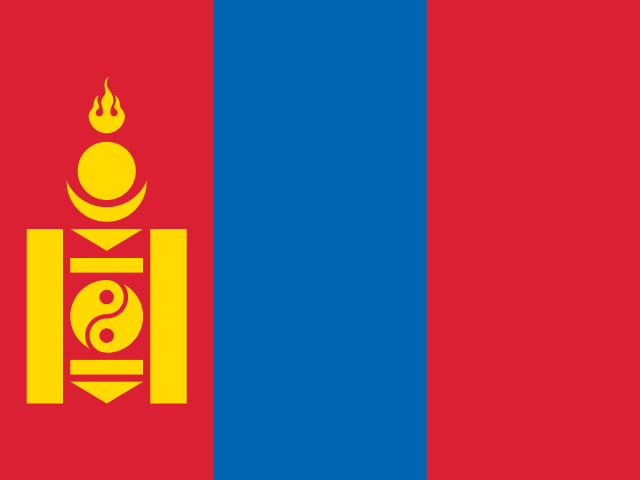 Unitary semi-presidential republic
Mongolia is a unitary semi-presidential republic with a directly elected president and a unicameral State Great Khural.
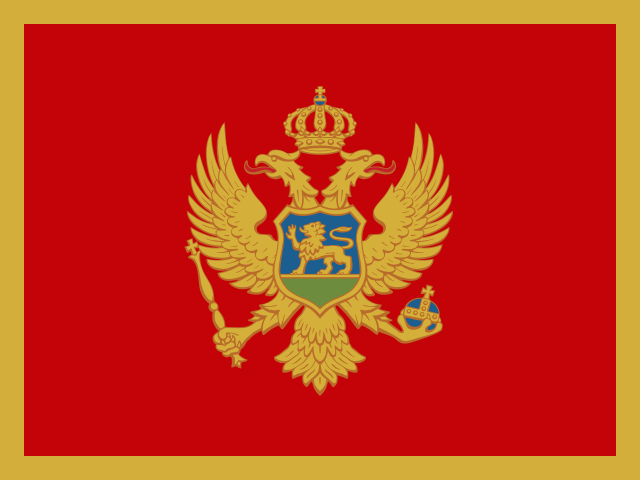 Unitary parliamentary republic
Montenegro is a unitary parliamentary republic and a NATO member that uses the euro without belonging to the eurozone.
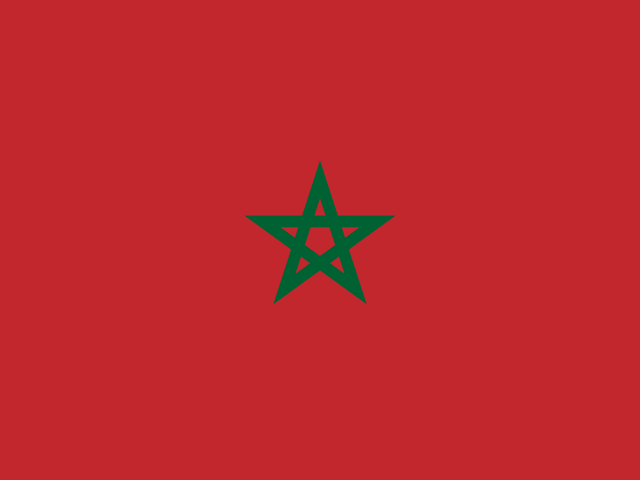 Unitary parliamentary semi-constitutional monarchy
Morocco is a unitary parliamentary semi-constitutional monarchy in which the king holds broad executive and religious authority.
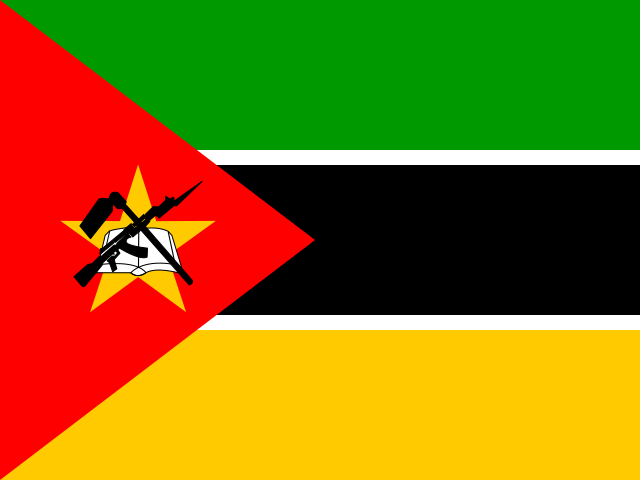 Unitary semi-presidential republic
Mozambique is a unitary semi-presidential republic of ten provinces and the capital city, Maputo.
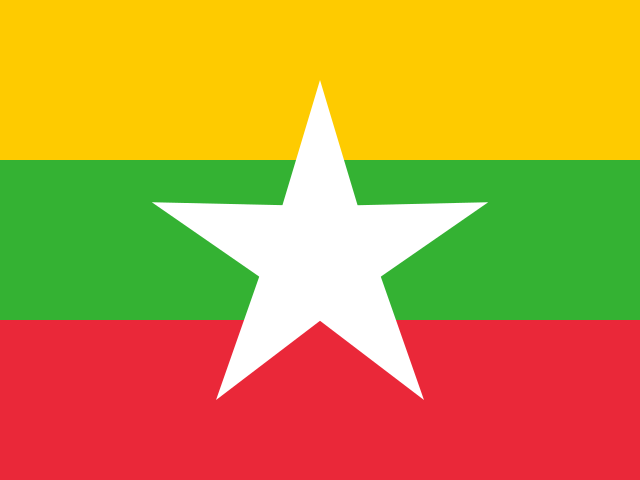 Unitary assembly-independent republic
Myanmar is a unitary republic whose president, Min Aung Hlaing, was elected by parliament in April 2026 after elections that the military-backed party dominated.
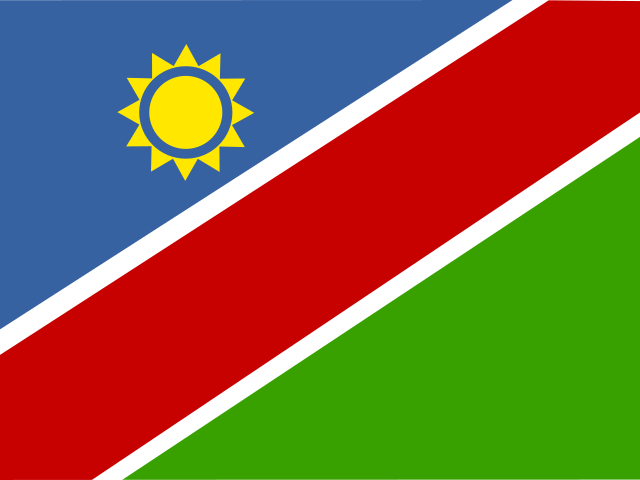 Unitary semi-presidential republic
Namibia is a unitary semi-presidential republic divided into 14 regions, governed by the SWAPO party since independence in 1990.
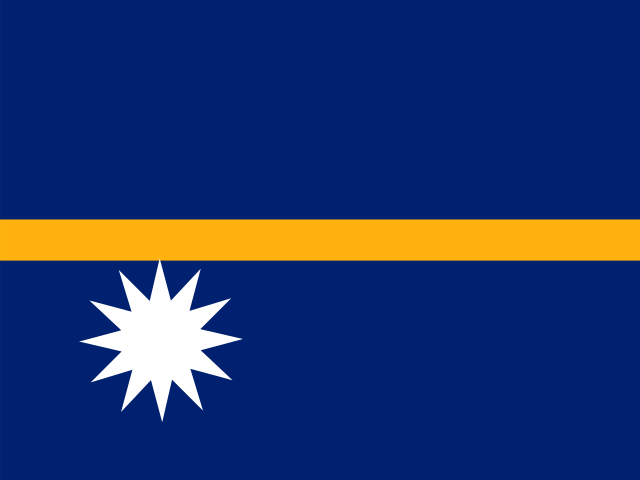 Unitary parliamentary republic
Nauru is a unitary parliamentary republic of one island divided into 14 districts.
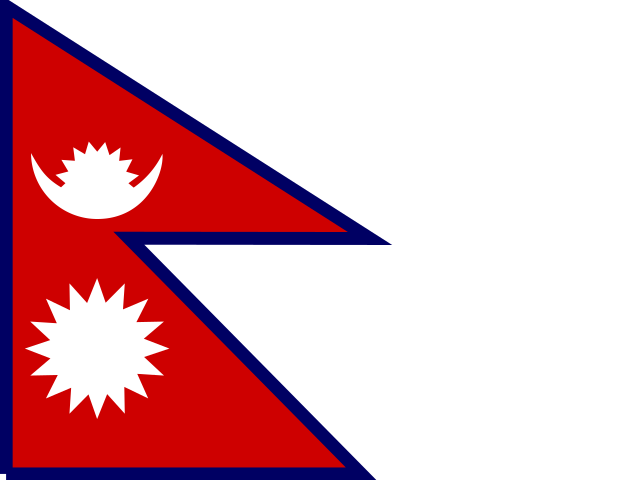 Federal parliamentary republic
Nepal is a federal parliamentary republic of seven provinces.
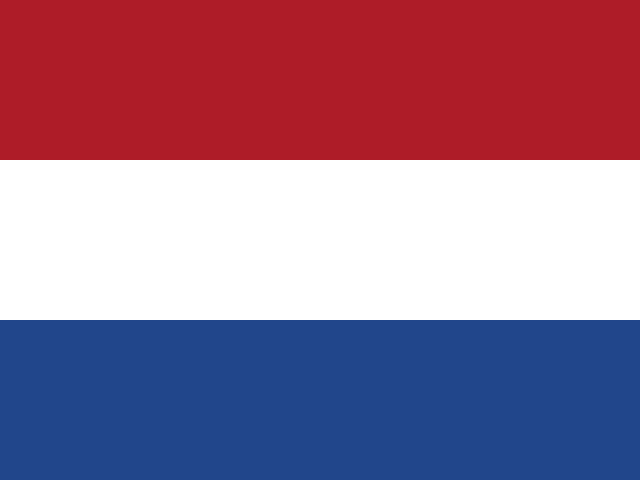 Unitary parliamentary constitutional monarchy
The Netherlands is a unitary parliamentary constitutional monarchy of twelve provinces with proportional representation and coalition governments.
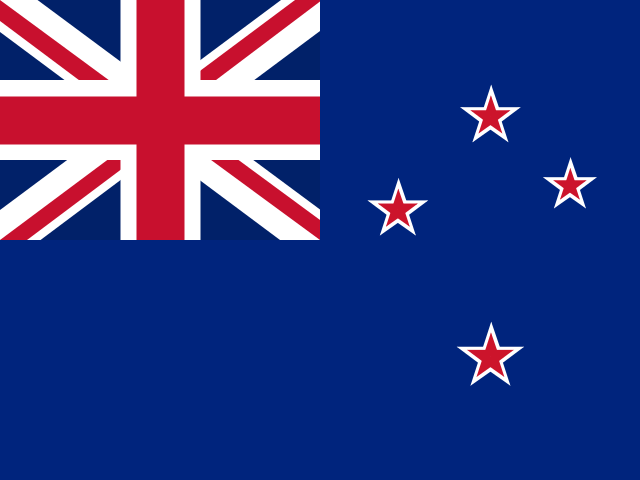 Unitary parliamentary constitutional monarchy
New Zealand is a unitary parliamentary constitutional monarchy with a single-chamber legislature elected by proportional representation.
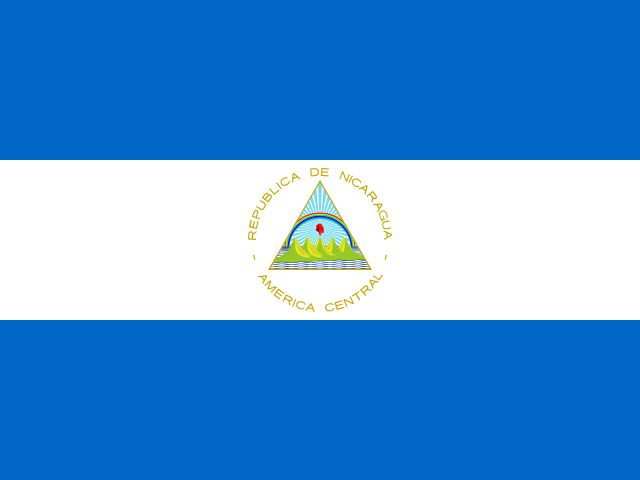 Unitary presidential republic with a co-presidency
Nicaragua is a unitary presidential republic with two autonomous Caribbean regions.
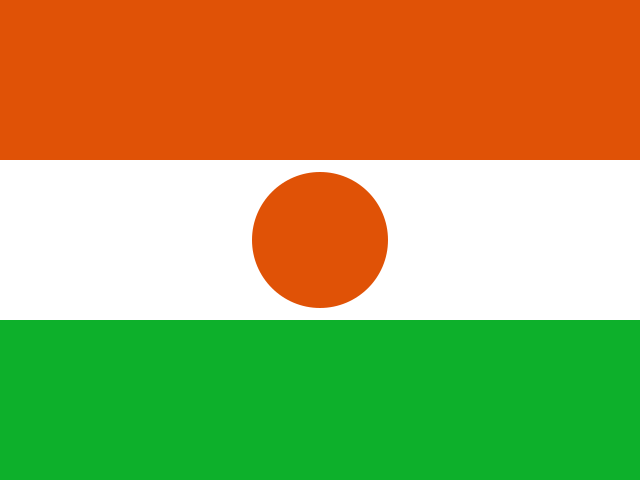 Unitary republic under a military junta
Niger is a unitary republic of seven regions plus Niamey, governed by a military junta since 2023 under a 2025 transitional charter.
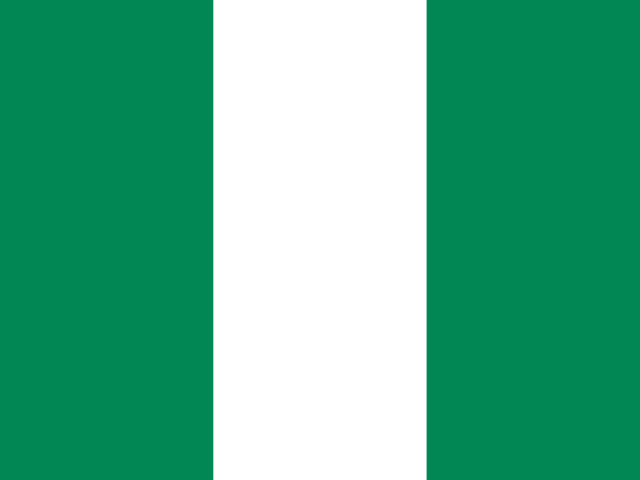 Federal presidential republic
Nigeria is a federal presidential republic of thirty-six states and Africa's most populous country.
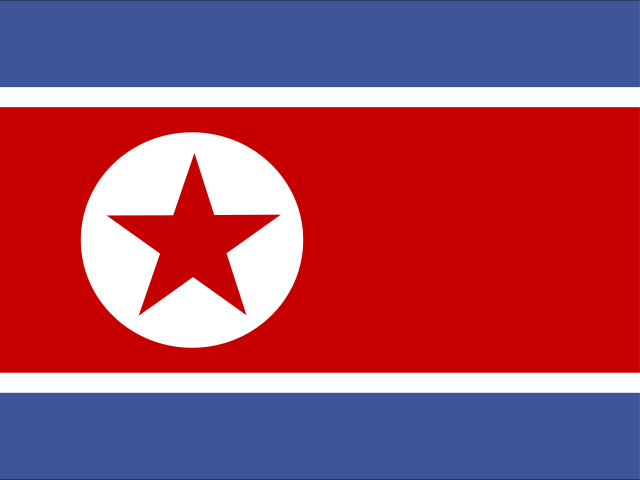 Hereditary one-party totalitarian state
North Korea is a hereditary one-party state governed by the Kim family and the Workers' Party of Korea.
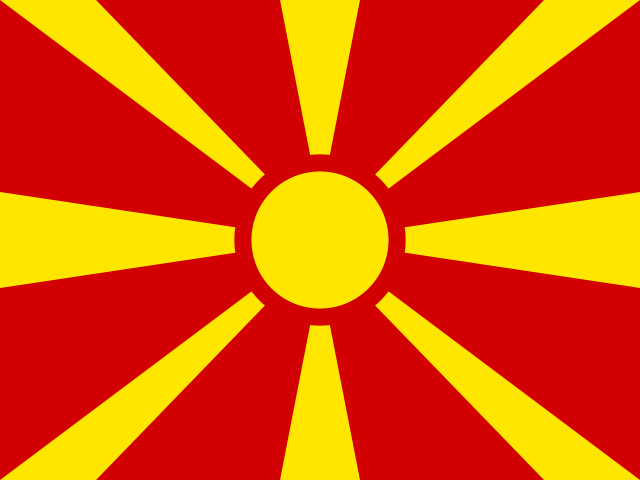 Unitary parliamentary republic
North Macedonia is a unitary parliamentary republic and a NATO member that has been a European Union candidate since 2005.
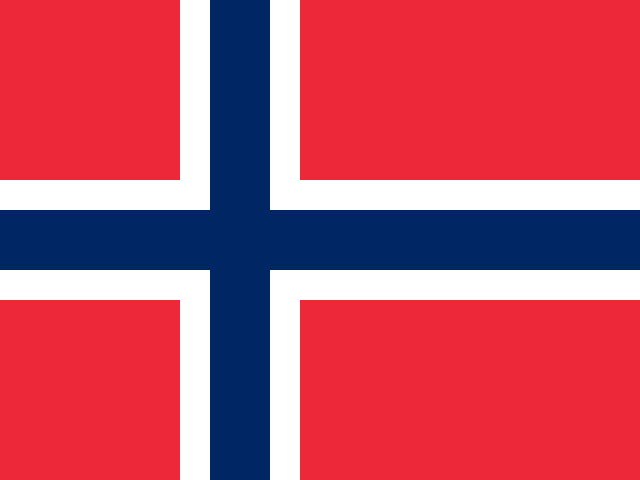 Unitary parliamentary constitutional monarchy
Norway is a unitary parliamentary constitutional monarchy outside the European Union but inside the EEA and NATO.
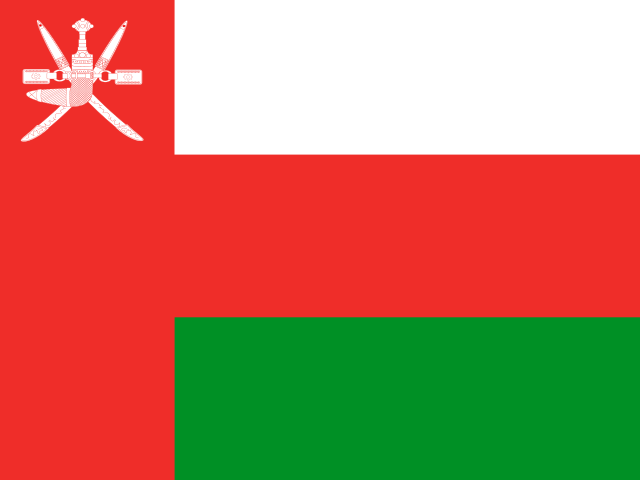 Unitary absolute monarchy
Oman is an absolute monarchy led by Sultan Haitham bin Tarik, with an elected advisory Consultative Council.
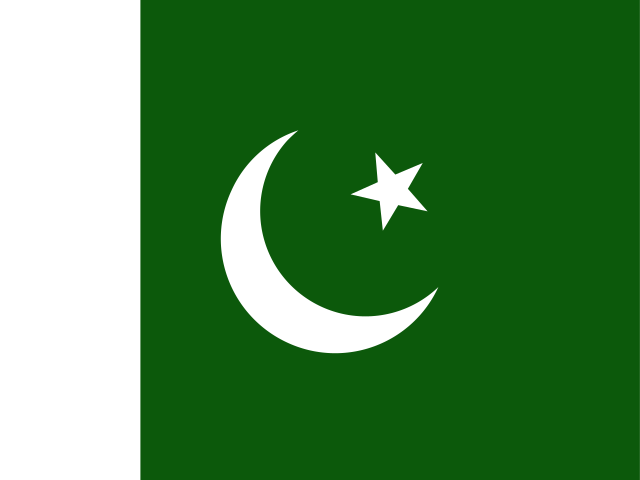 Federal parliamentary Islamic republic
Pakistan is a federal parliamentary Islamic republic of four provinces, in which the military plays a major role in politics and security policy.
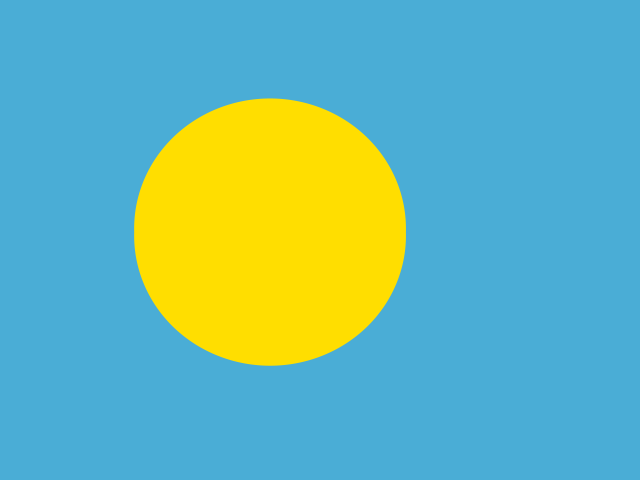 Unitary presidential republic
Palau is a unitary presidential republic of sixteen states with a council of traditional chiefs.
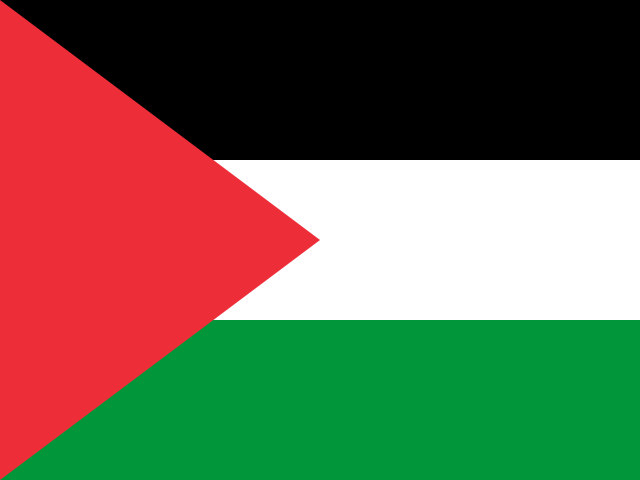 Semi-presidential republic, observer state
Palestine is a UN non-member observer state whose Palestinian Authority administers parts of the West Bank under a semi-presidential Basic Law.
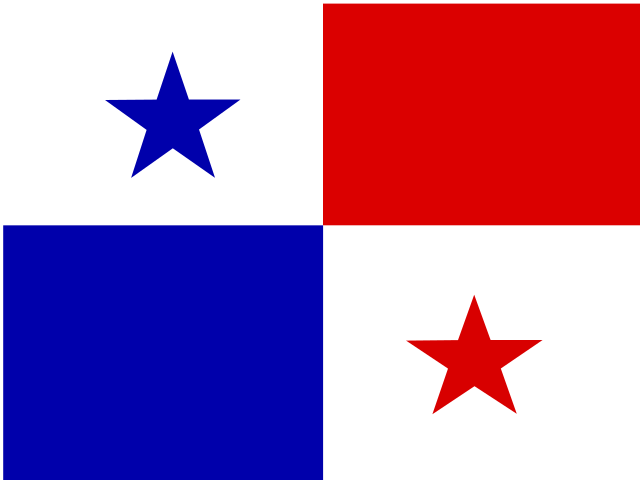 Unitary presidential republic
Panama is a unitary presidential republic of ten provinces and several indigenous comarcas.
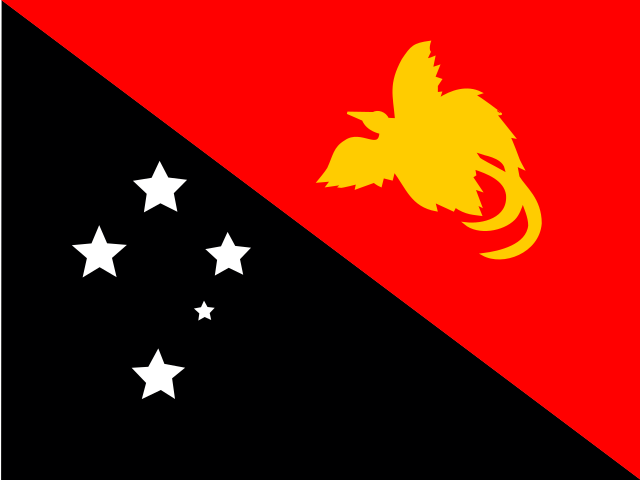 Unitary parliamentary constitutional monarchy
Papua New Guinea is a unitary parliamentary constitutional monarchy with provincial and local-level governments.
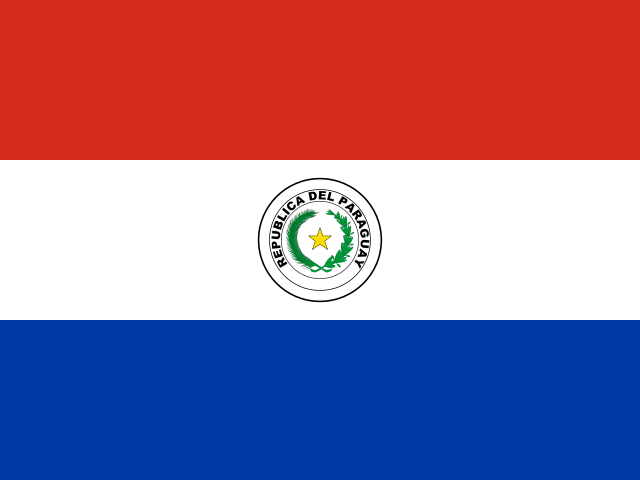 Unitary presidential republic
Paraguay is a unitary presidential republic of seventeen departments, governed for most of its modern history by the Colorado Party.
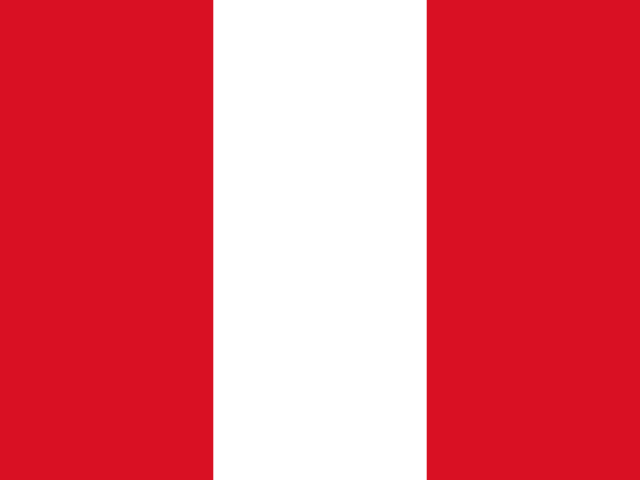 Unitary semi-presidential republic
Peru is a unitary semi-presidential republic with a bicameral Congress restored in 2026.
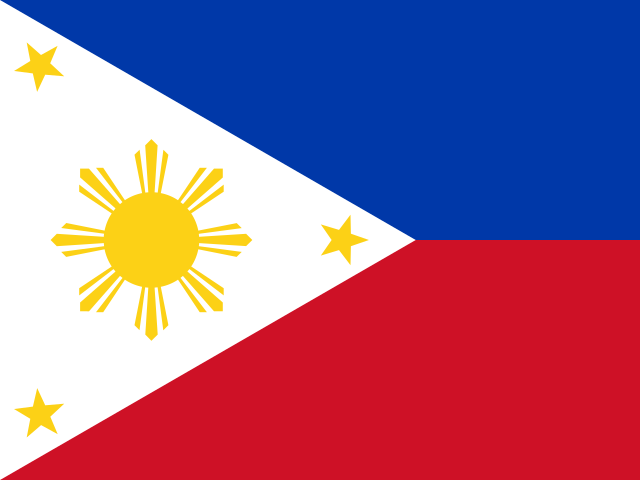 Unitary presidential republic
The Philippines is a unitary presidential republic with strong local governments and an autonomous Muslim region, Bangsamoro.
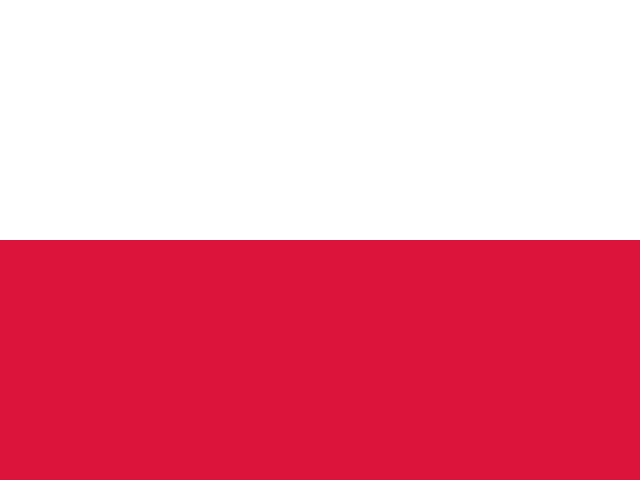 Unitary parliamentary republic
Poland is a unitary parliamentary republic and a member of the European Union and NATO.
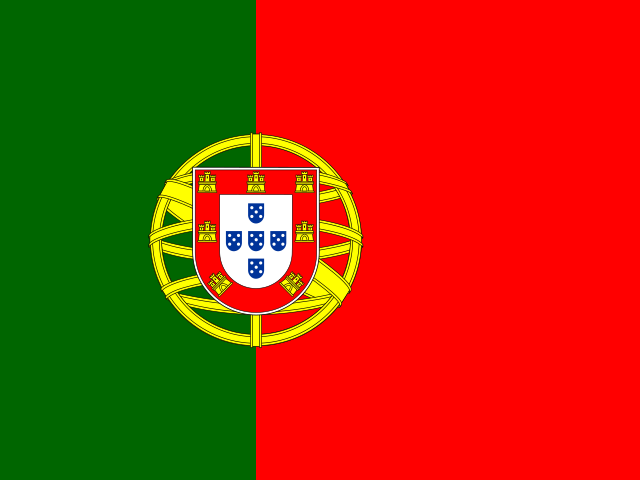 Unitary semi-presidential republic
Portugal is a unitary semi-presidential republic with autonomous regions in the Azores and Madeira.
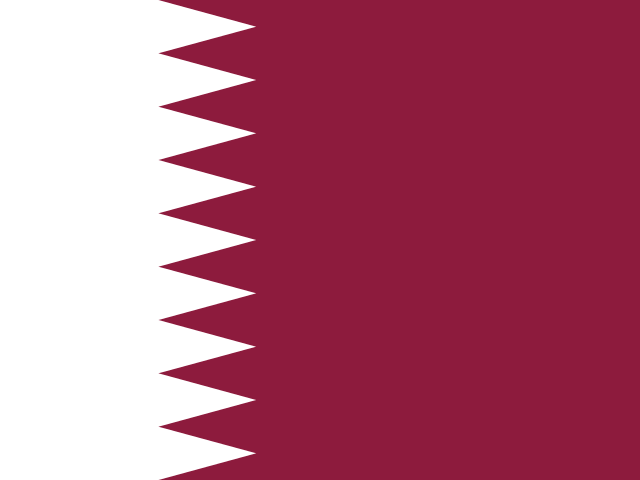 Unitary semi-constitutional monarchy
Qatar is a unitary hereditary emirate in which the emir holds executive power and, since a 2024 referendum, appoints all members of the Shura Council.
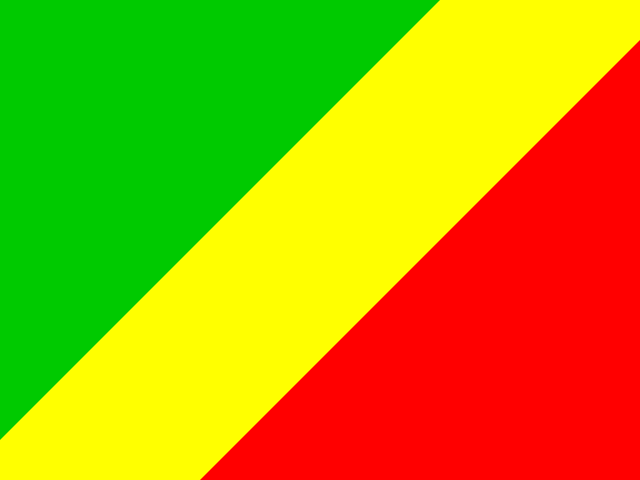 Unitary semi-presidential republic
The Republic of the Congo is a unitary semi-presidential republic of 15 departments, governed by Denis Sassou Nguesso since 1997.
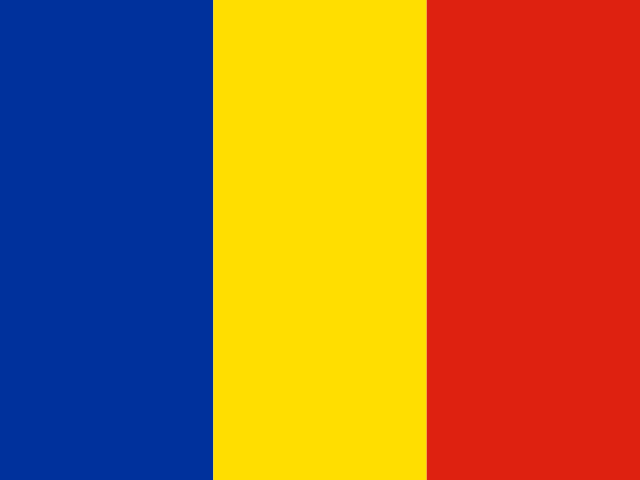 Unitary semi-presidential republic
Romania is a unitary semi-presidential republic and a member of the EU and NATO.
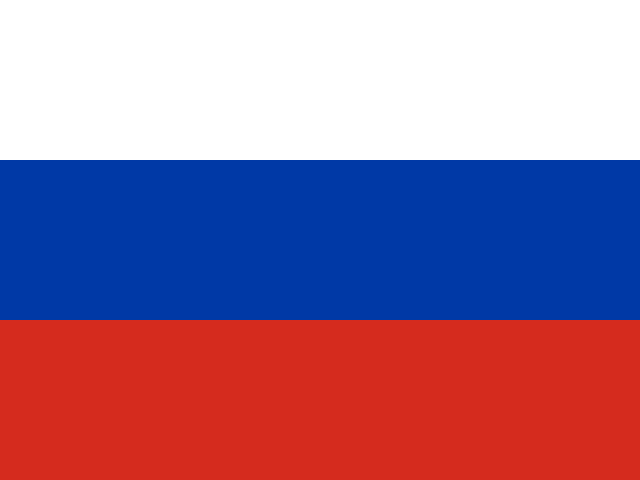 Federal semi-presidential republic
Russia is formally a federal semi-presidential republic in which power is concentrated in the presidency.
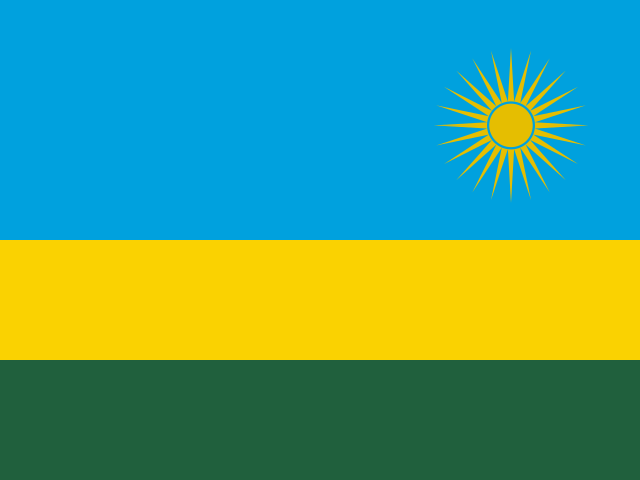 Unitary semi-presidential republic
Rwanda is a unitary semi-presidential republic of five provinces.
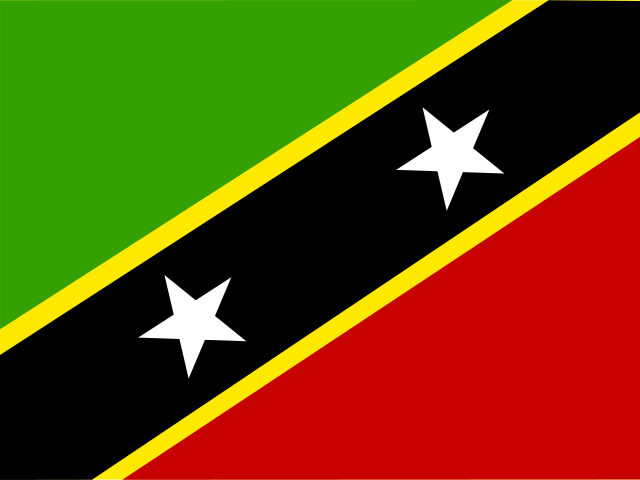 Federal parliamentary constitutional monarchy
Saint Kitts and Nevis is a federation of two islands and a parliamentary constitutional monarchy.
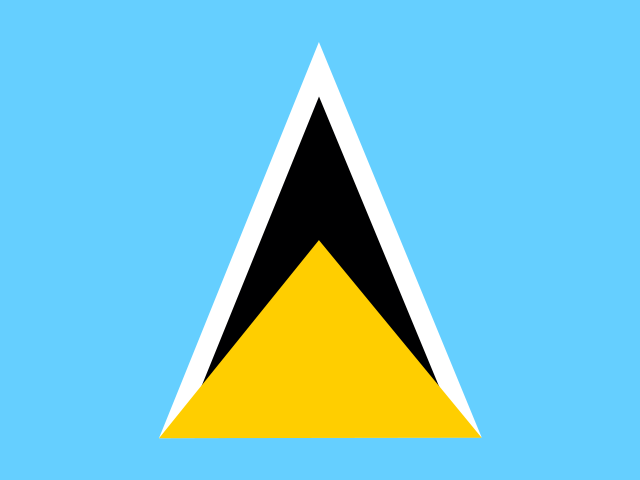 Unitary parliamentary constitutional monarchy
Saint Lucia is a unitary parliamentary constitutional monarchy within the Commonwealth.
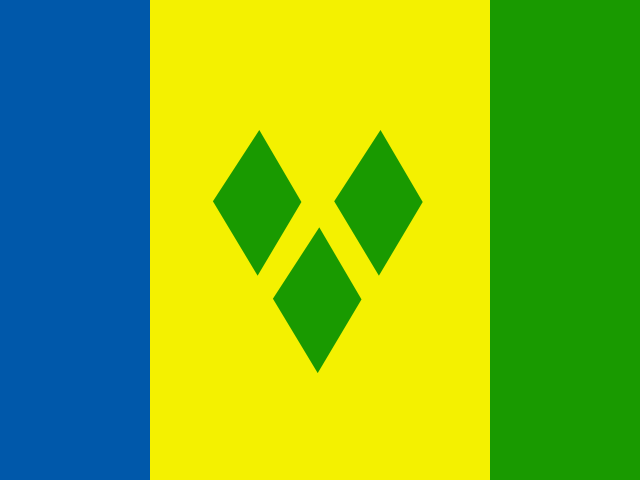 Unitary parliamentary constitutional monarchy
Saint Vincent and the Grenadines is a unitary parliamentary constitutional monarchy made up of a main island and the Grenadines chain.
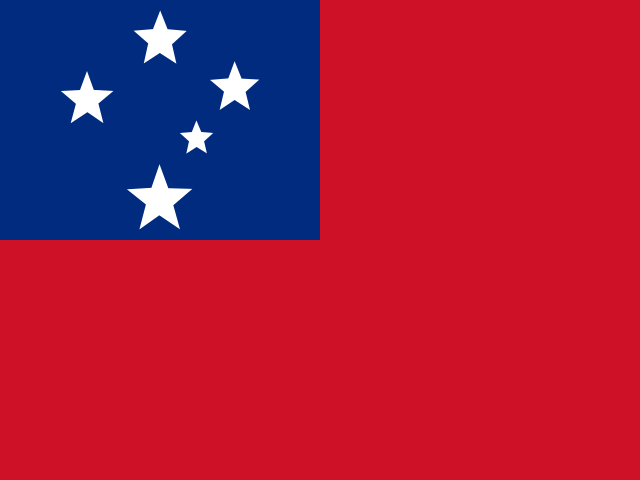 Unitary parliamentary republic
Samoa is a unitary parliamentary republic in which village councils led by matai chiefs hold local authority.
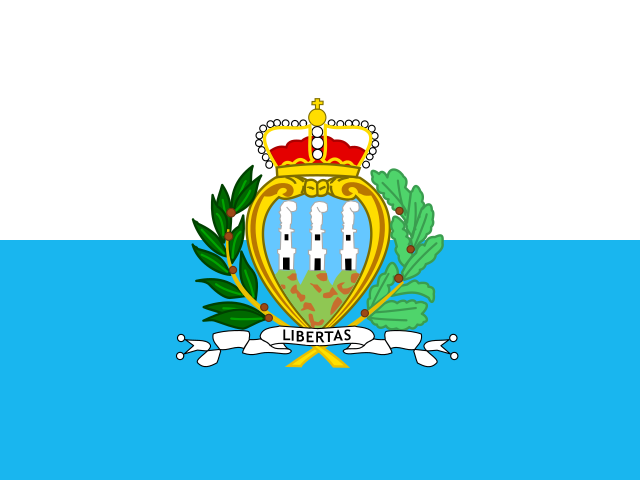 Unitary parliamentary directorial republic
San Marino is a parliamentary directorial republic of nine castelli, led by two Captains Regent chosen every six months.
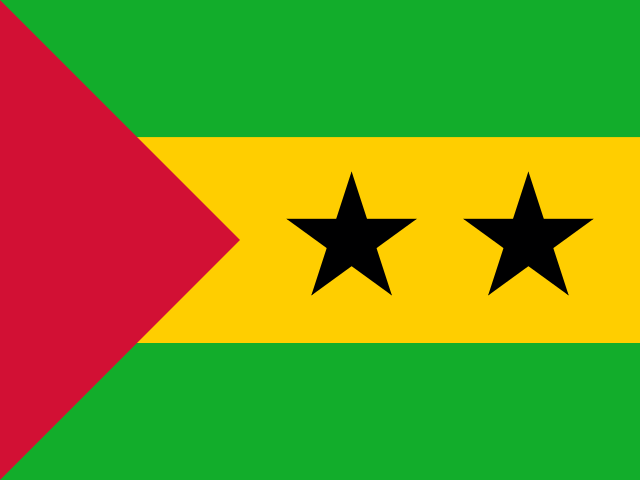 Unitary semi-presidential republic
São Tomé and Príncipe is a unitary semi-presidential republic whose smaller island, Príncipe, has been autonomous since 1995.
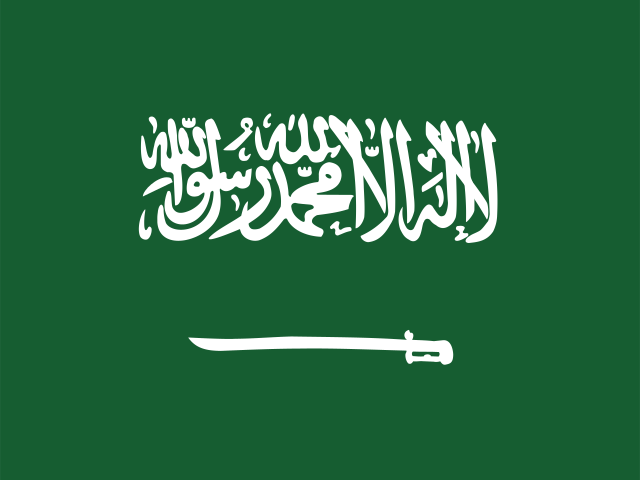 Unitary absolute monarchy
Saudi Arabia is an absolute monarchy whose Basic Law is grounded in Islamic law.
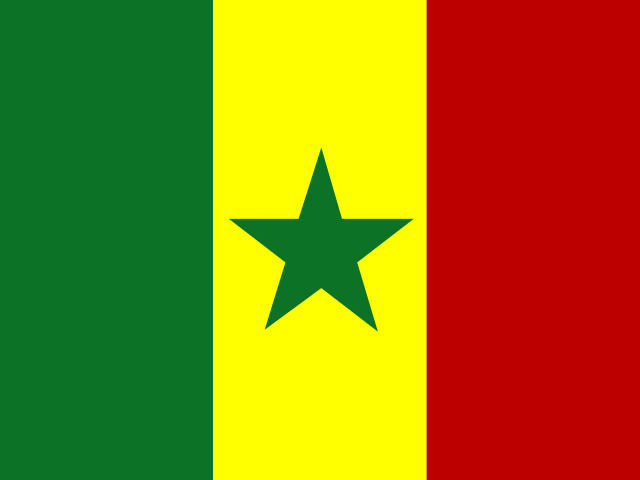 Unitary semi-presidential republic
Senegal is a unitary semi-presidential republic of fourteen regions.
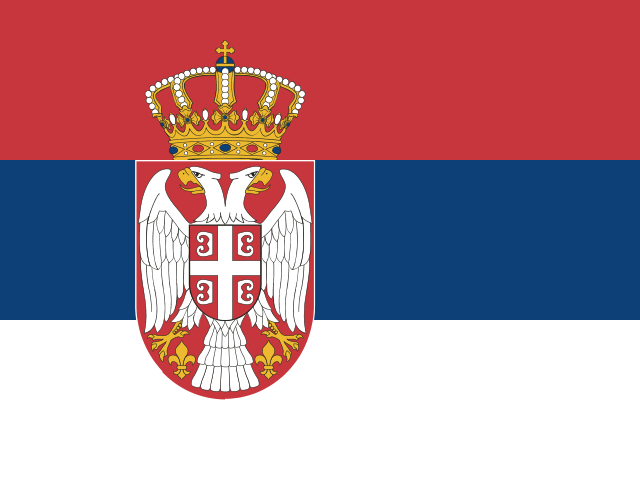 Unitary parliamentary republic
Serbia is a unitary parliamentary republic and an EU candidate that maintains military neutrality and rejects Kosovo's independence.
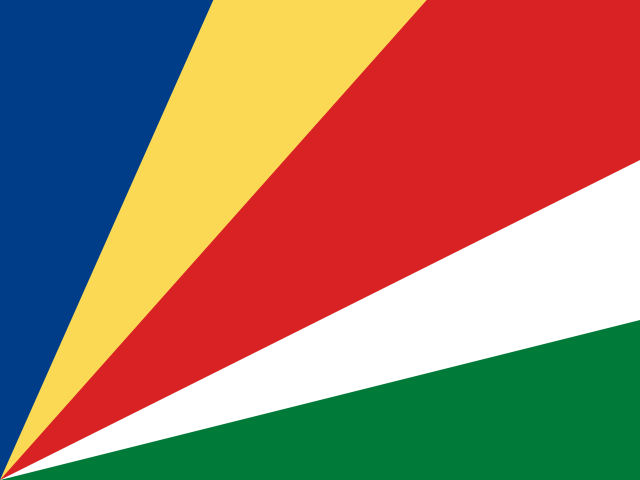 Unitary presidential republic
Seychelles is a unitary presidential republic of 115 islands governed through 26 districts.
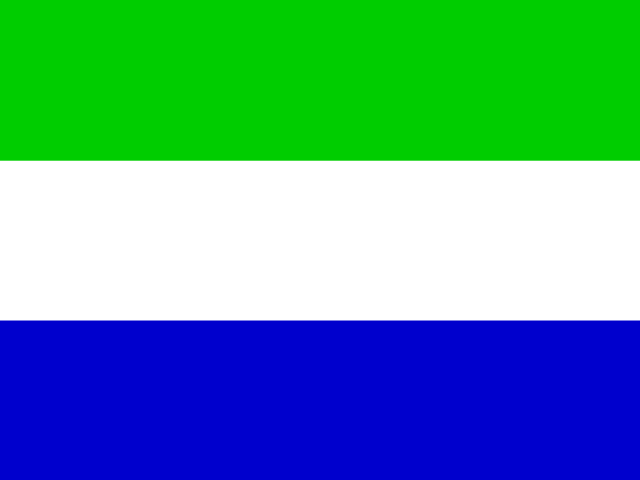 Unitary presidential republic
Sierra Leone is a unitary presidential republic divided into five regions and 16 districts.
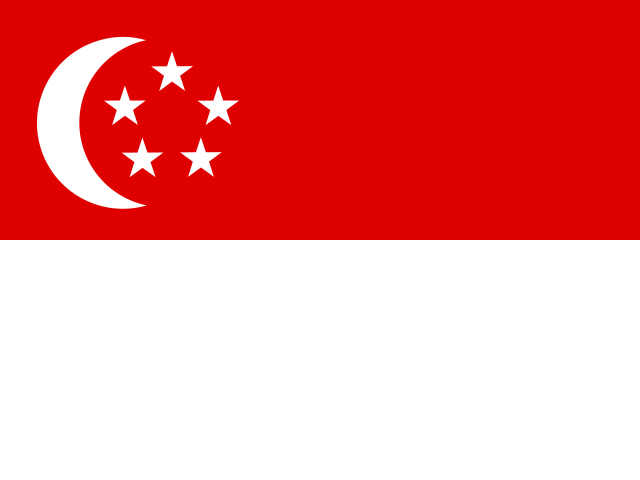 Unitary parliamentary republic
Singapore is a unitary parliamentary republic and city-state governed by the same party since 1959.
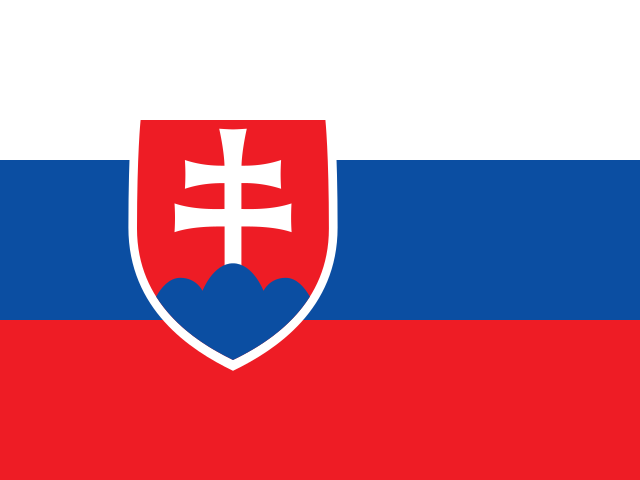 Unitary parliamentary republic
Slovakia is a unitary parliamentary republic of eight regions and a member of the European Union and NATO.
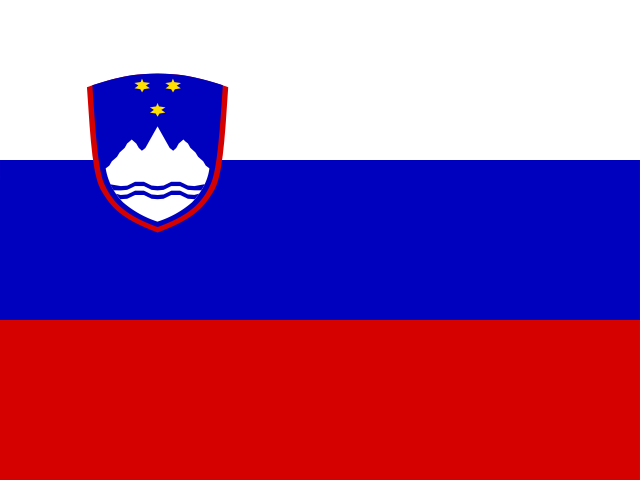 Unitary parliamentary republic
Slovenia is a unitary parliamentary republic and a member of the European Union, the euro area and NATO.
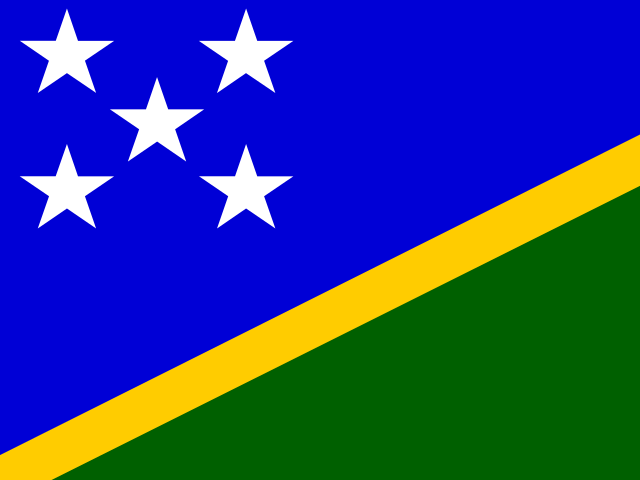 Unitary parliamentary constitutional monarchy
Solomon Islands is a unitary parliamentary constitutional monarchy and Commonwealth realm with nine provinces.
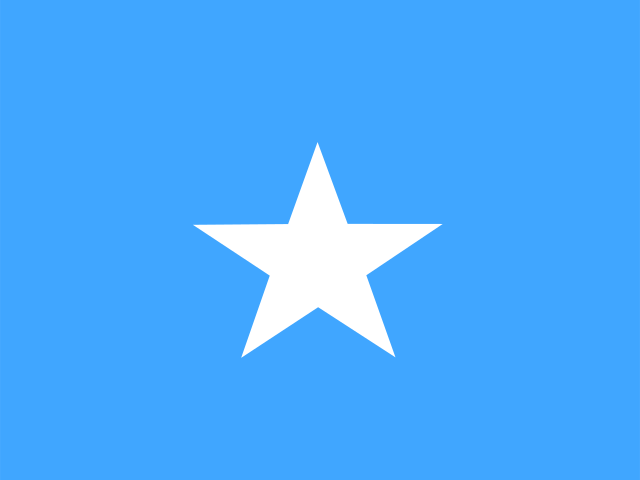 Federal parliamentary republic
Somalia is a federal parliamentary republic under a provisional constitution, with a bicameral parliament and federal member states.
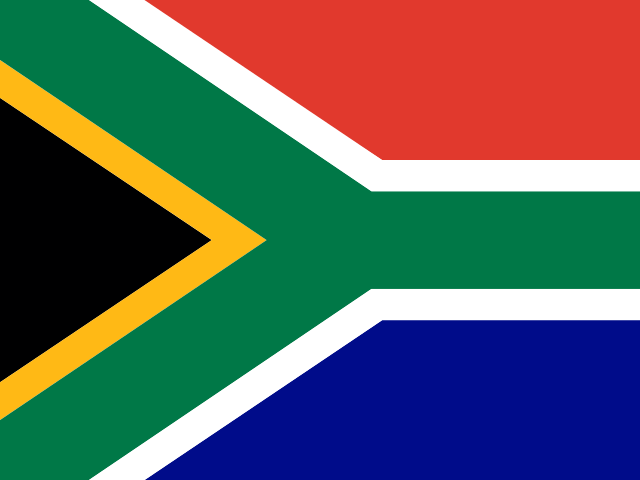 Unitary parliamentary republic
South Africa is a parliamentary republic with nine provinces and a constitution noted for its broad rights guarantees.
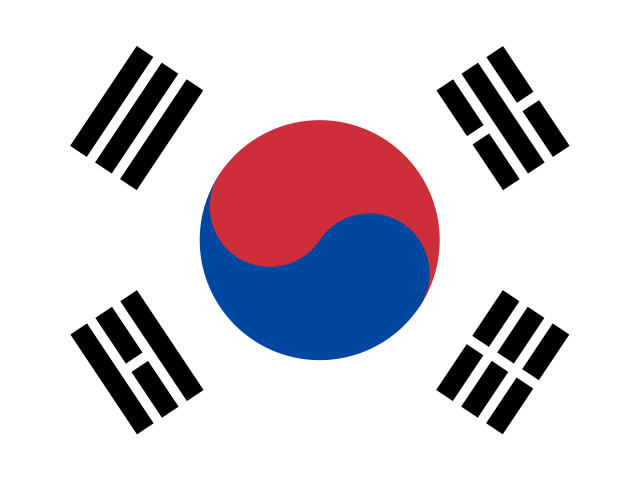 Unitary presidential republic
South Korea is a unitary presidential republic with a directly elected president and a single-chamber legislature.
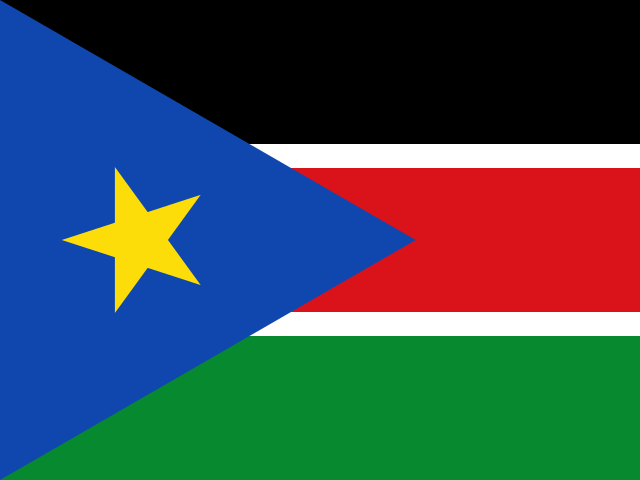 Federal presidential republic under a transitional constitution
South Sudan is a presidential republic that became independent in 2011 and is run under a transitional arrangement.
Spain is a parliamentary constitutional monarchy divided into seventeen autonomous communities with wide self-government.
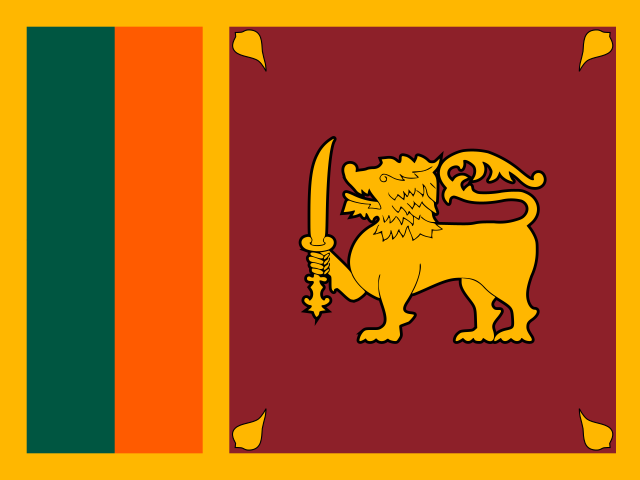 Unitary semi-presidential republic
Sri Lanka is a unitary semi-presidential republic divided into nine provinces.
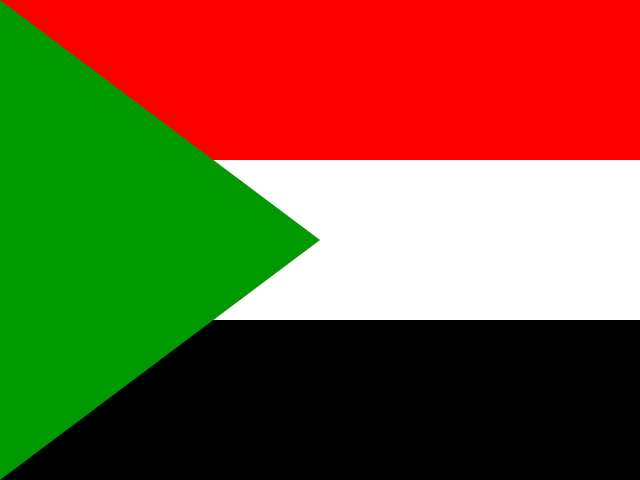 Federal republic under military-led transitional council
Sudan is nominally a federal republic run by a military-led Sovereignty Council headed by Abdel Fattah al-Burhan.
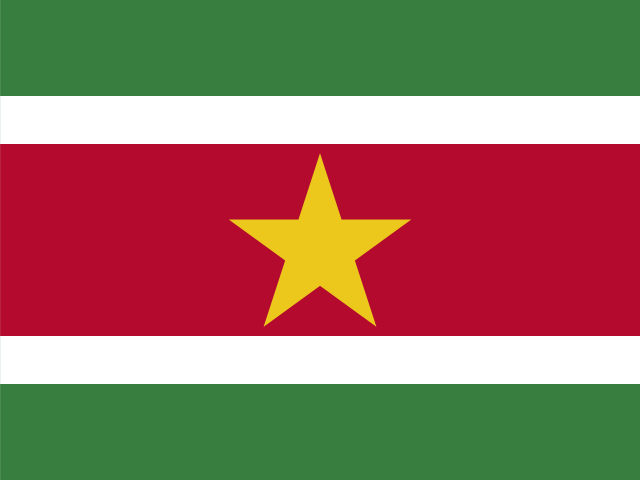 Unitary presidential republic
Suriname is a unitary presidential republic in which the National Assembly elects the president.
Sweden is a unitary parliamentary constitutional monarchy with a tax-funded universal welfare state and an open, export-oriented economy.
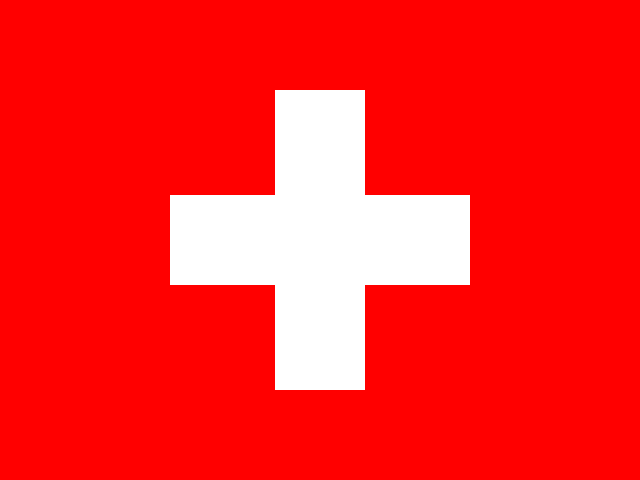 Federal directorial republic
Switzerland is a federal republic of twenty-six cantons governed by a seven-member collegial executive and frequent referendums.
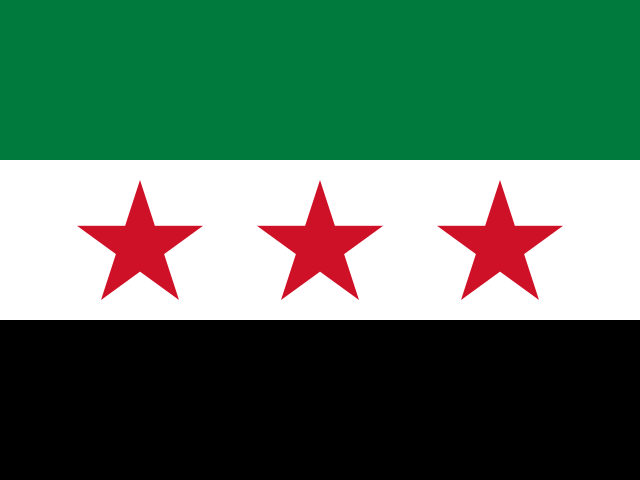 Transitional presidential republic
Syria has been a transitional republic since the fall of the Assad government in December 2024.
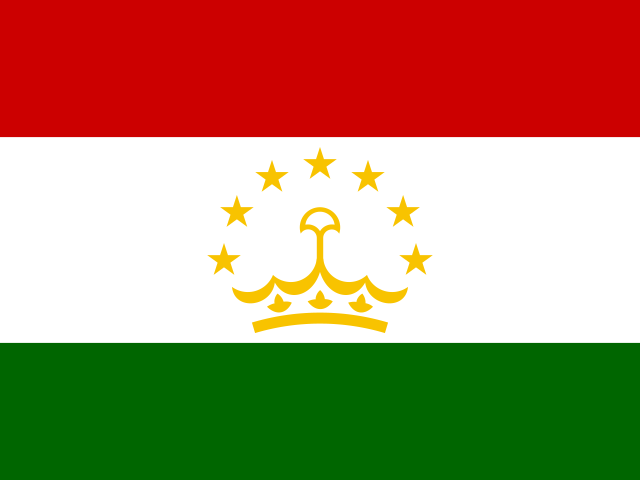 Unitary presidential republic
Tajikistan is a unitary presidential republic in Central Asia.
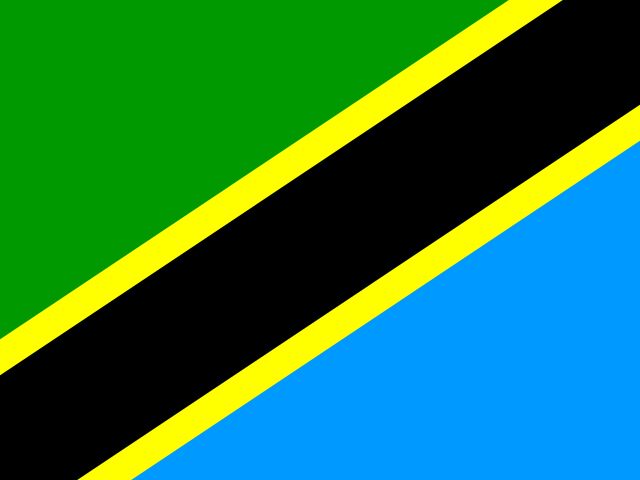 Unitary presidential republic
Tanzania is a unitary presidential republic that includes the semi-autonomous Zanzibar archipelago.
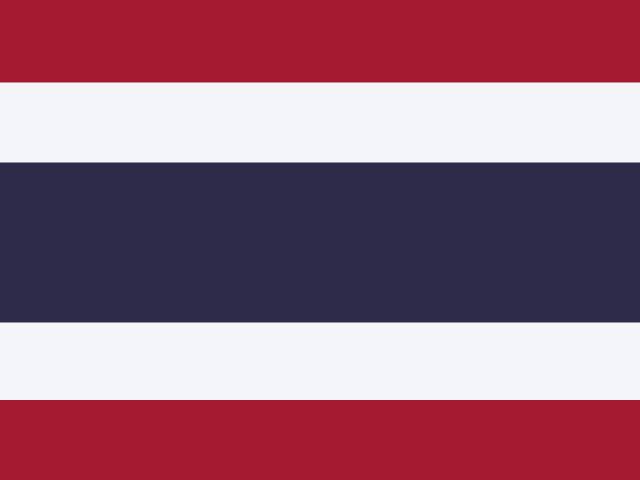 Unitary parliamentary constitutional monarchy
Thailand is a unitary parliamentary constitutional monarchy of 76 provinces.
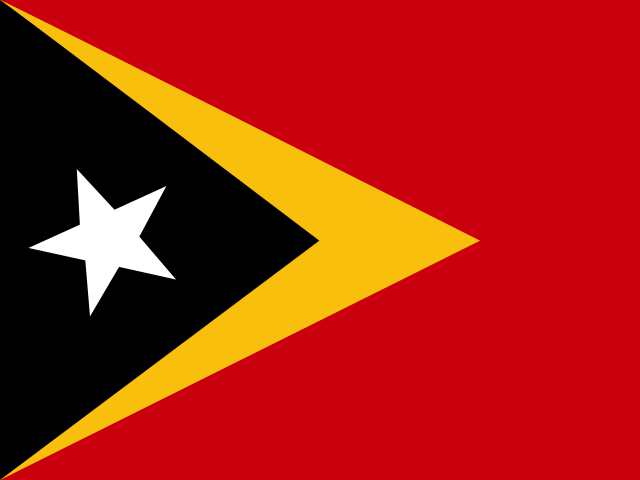 Unitary semi-presidential republic
Timor-Leste is a unitary semi-presidential republic that became independent in 2002 and joined ASEAN in 2025.
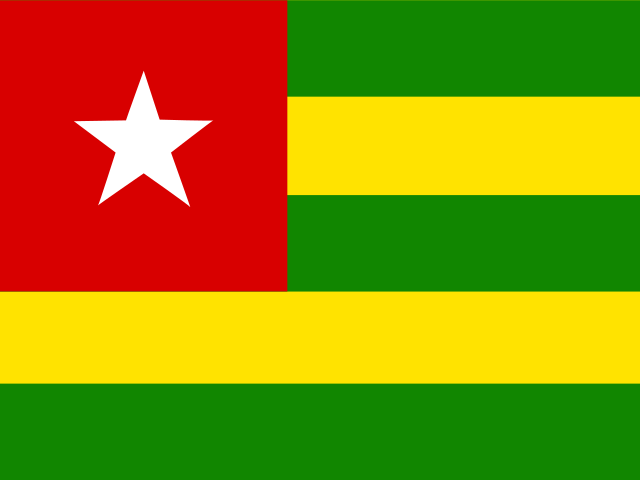 Unitary parliamentary republic
Togo became a parliamentary republic in 2025, with a largely ceremonial president and a President of the Council of Ministers who heads the government.
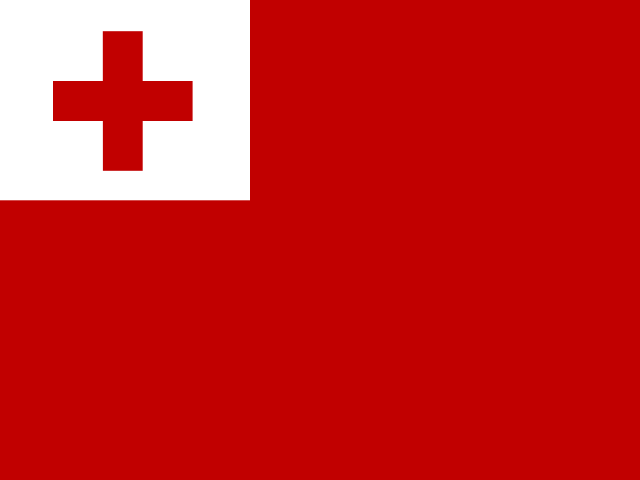 Unitary semi-constitutional monarchy
Tonga is a unitary semi-constitutional monarchy in the Pacific where the king retains significant powers.
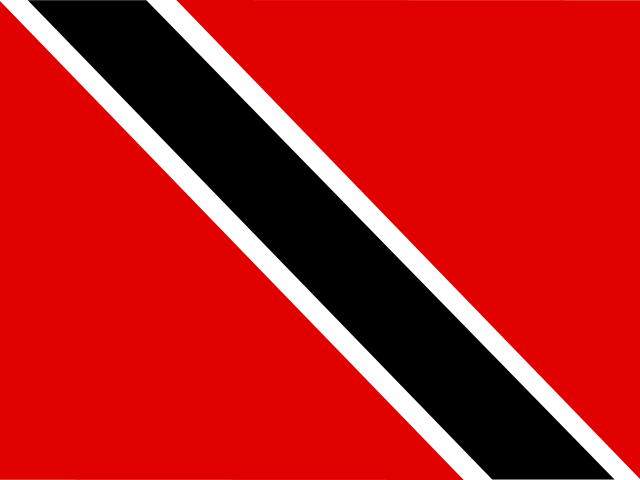 Unitary parliamentary republic
Trinidad and Tobago is a unitary parliamentary republic with a self-governing Tobago House of Assembly.
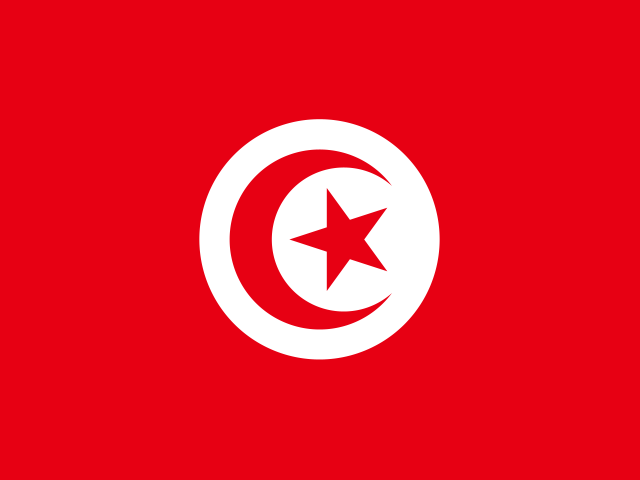 Unitary presidential republic
Tunisia is a unitary presidential republic under the 2022 constitution, which concentrates power in the president.
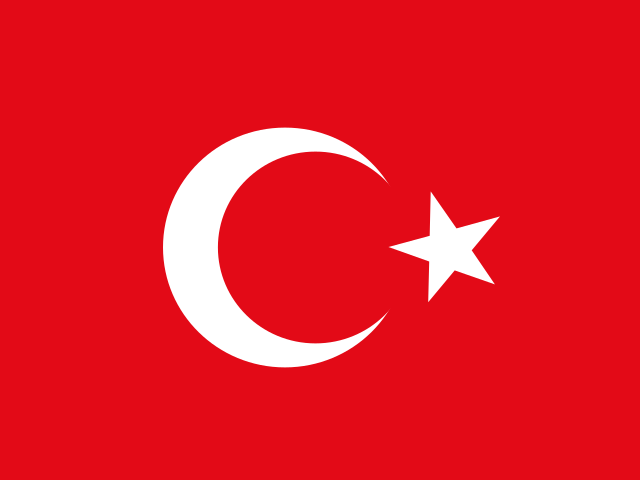 Unitary presidential republic
Turkey is a unitary presidential republic with a strong executive established by a 2017 constitutional change.
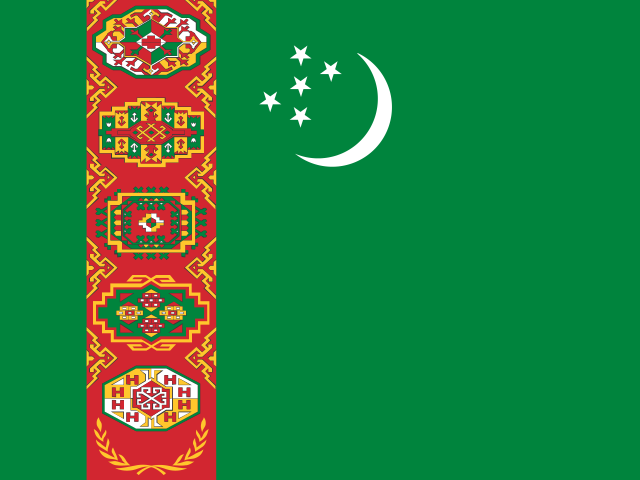 Unitary presidential republic
Turkmenistan is a unitary presidential republic under the Berdimuhamedow family, with Serdar Berdimuhamedow as president since 2022.
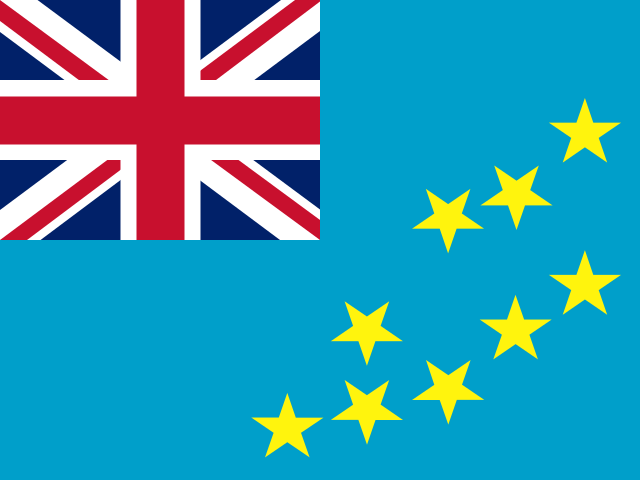 Unitary parliamentary constitutional monarchy
Tuvalu is a unitary parliamentary constitutional monarchy and Commonwealth realm of nine small islands.
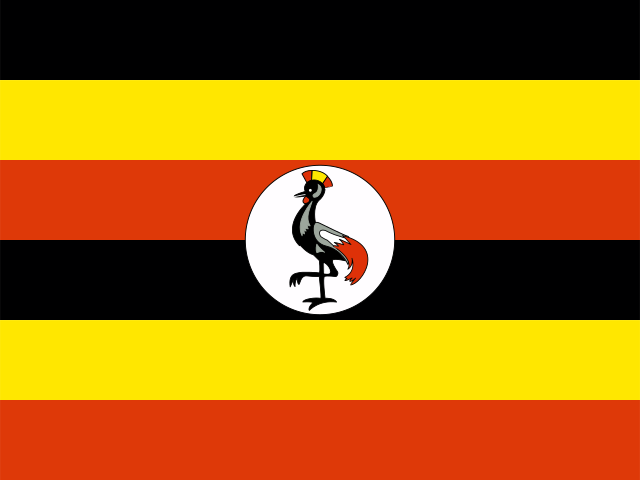 Unitary presidential republic
Uganda is a unitary presidential republic.
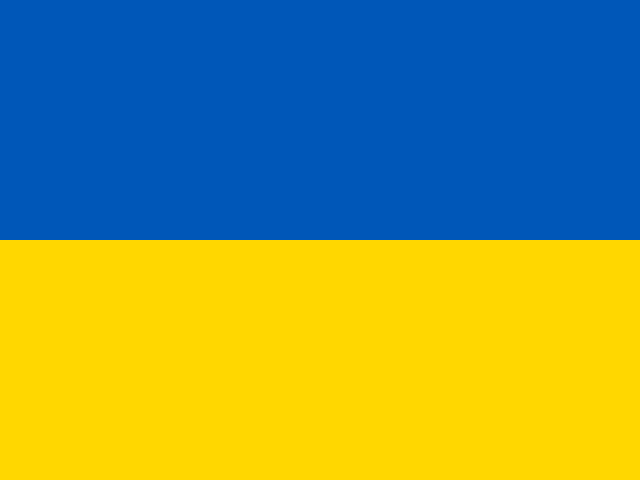 Unitary semi-presidential republic
Ukraine is a unitary semi-presidential republic with 24 oblasts, and has been under martial law since February 2022.
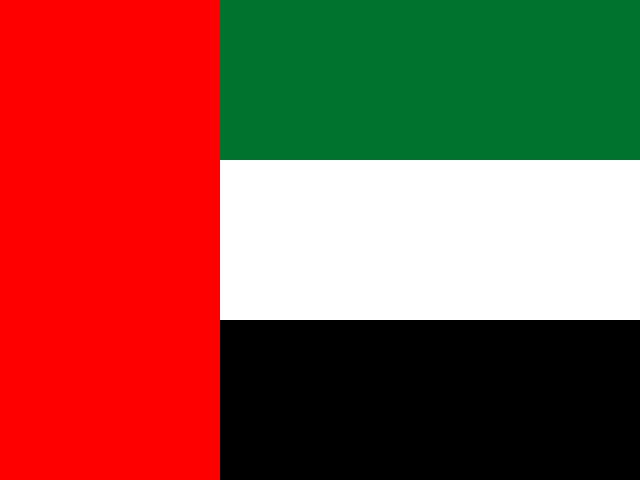 Federation of seven hereditary monarchies
The United Arab Emirates is a federation of seven hereditary emirates without political parties.
The United Kingdom is a parliamentary constitutional monarchy with devolved governments in Scotland, Wales and Northern Ireland.
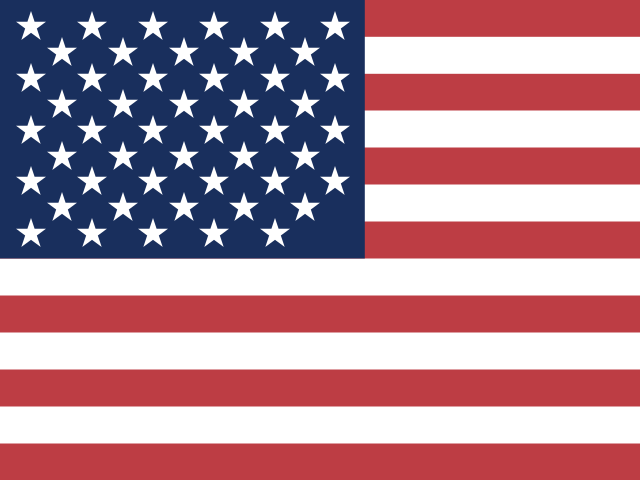 Federal presidential republic
The United States is a federal presidential republic of fifty states with a market economy and the world's largest military.
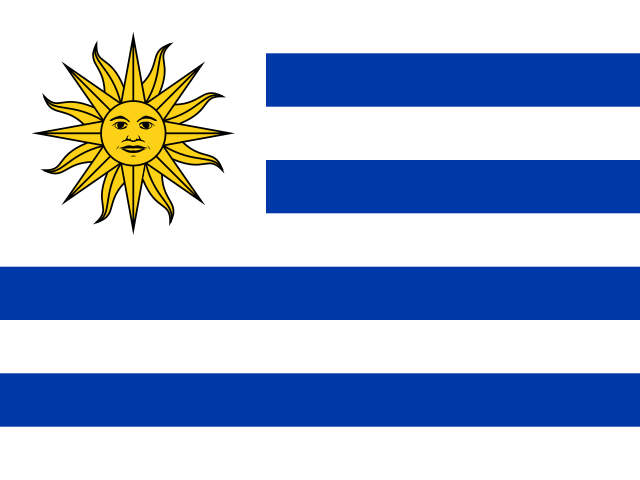 Unitary presidential republic
Uruguay is a unitary presidential republic known for stable democratic institutions and a strongly secular state.
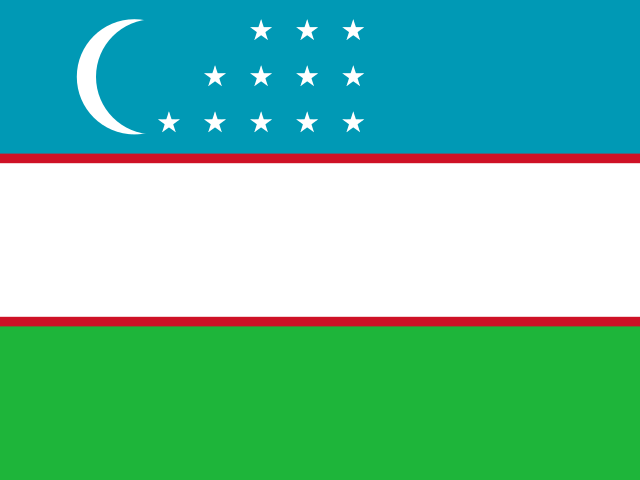 Unitary semi-presidential republic
Uzbekistan is a unitary semi-presidential republic with an autonomous Karakalpakstan region.
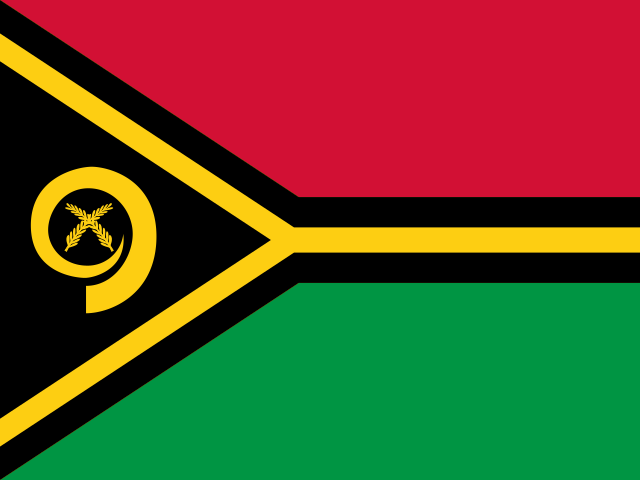 Unitary parliamentary republic
Vanuatu is a unitary parliamentary republic of 83 islands whose governments often change through no-confidence votes.
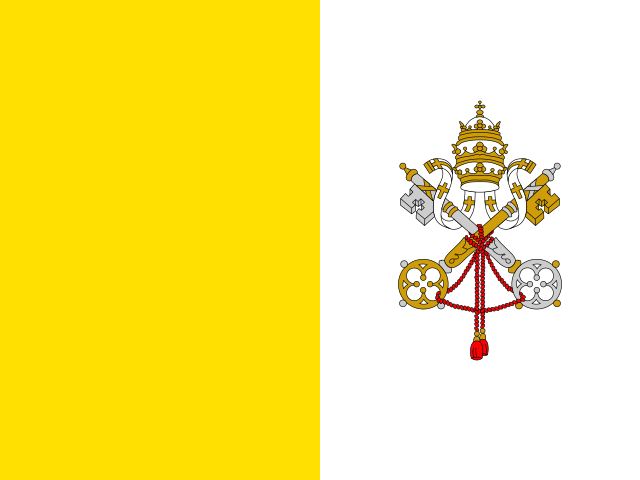 Elective absolute theocratic monarchy
Vatican City is an independent city-state and an elective absolute monarchy led by the Pope, who is head of the Catholic Church.
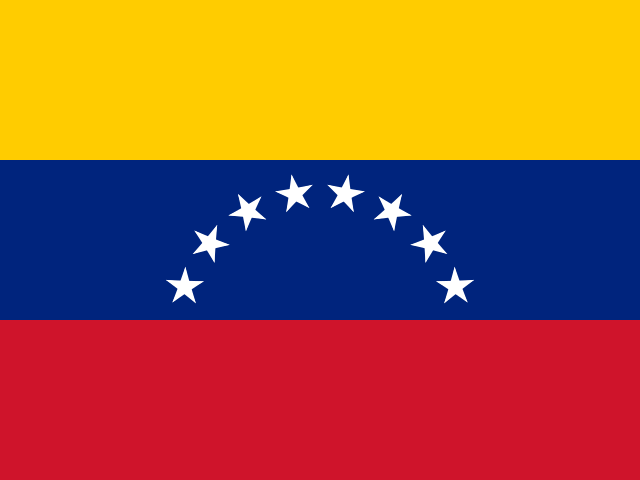 Federal presidential republic
Venezuela is formally a federal presidential republic, though power is concentrated in the national executive and the ruling United Socialist Party.
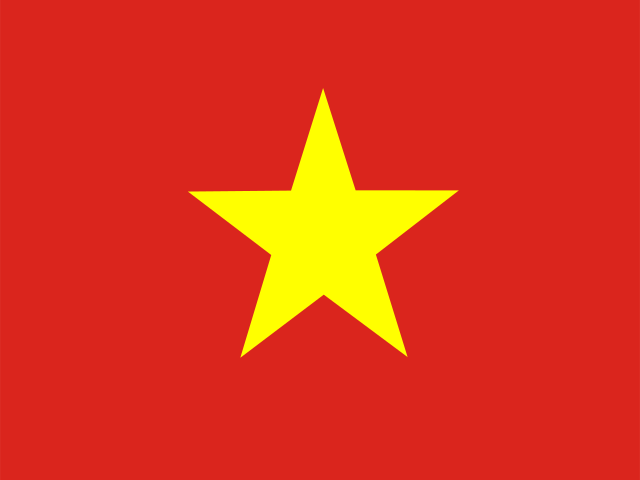 Unitary one-party socialist republic
Vietnam is a unitary one-party socialist republic led by the Communist Party.
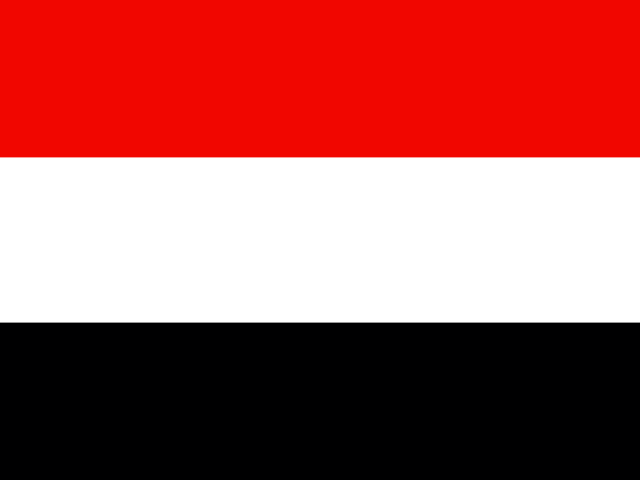 Unitary semi-presidential republic under a provisional government
Yemen is nominally a unitary republic but split by civil war since 2014.
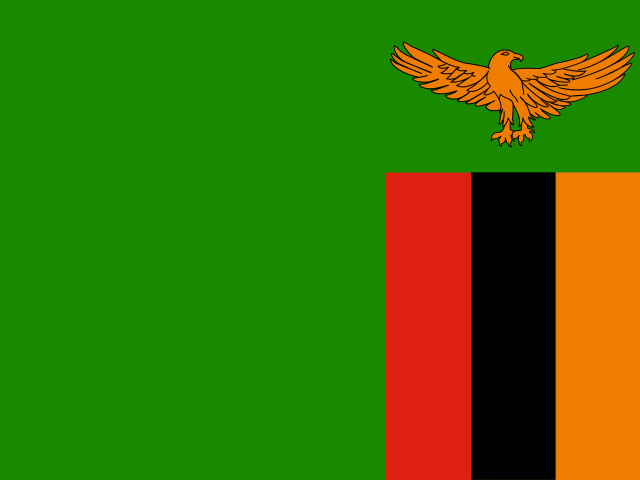 Unitary presidential republic
Zambia is a unitary presidential republic whose constitution declares it a Christian nation.
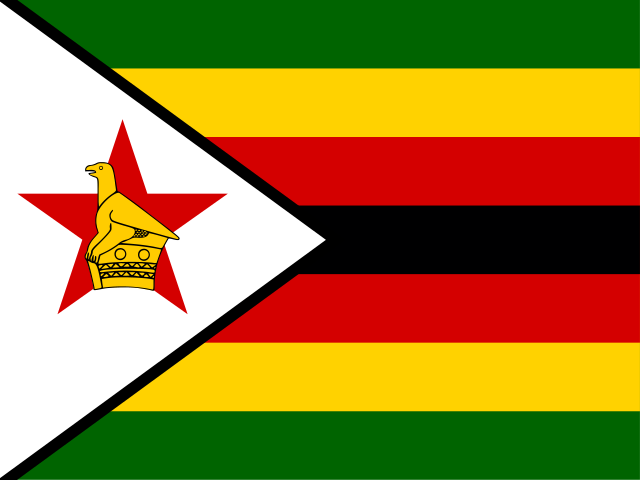 Unitary parliamentary republic with an executive presidency
Zimbabwe is a unitary republic in which ZANU-PF has held power since independence in 1980.
Questions
What is my most compatible country?
The country whose current government sits closest to your twelve axis scores. The 12 Axes Test compares you with 195 countries, ranks them by closeness and shows the first one as your closest country.
Which country matches my politics?
Take the test and read the top of your result. Your answers give a score on each of the 12 axes, we measure the distance to each of 195 countries and sort them from closest to farthest. It reflects how a state is governed today, not its people.
Which countries can the 12 Axes Test match me with?
195 countries, each with an entry on this page. Your result shows the closest one and two more.
How were the countries placed on the 12 axes?
Each country has one of seven tiers on every axis, set by us from its constitution, current government and policies. The test turns the tiers into scores and compares them with yours.
Does my closest country say anything about its people?
No. It compares your positions with how a state is governed today, not with what its citizens think.
See which of these countries is closest to you. Take the test